The Art of the Unhurried Hour: How Europe Lingers After Dinner
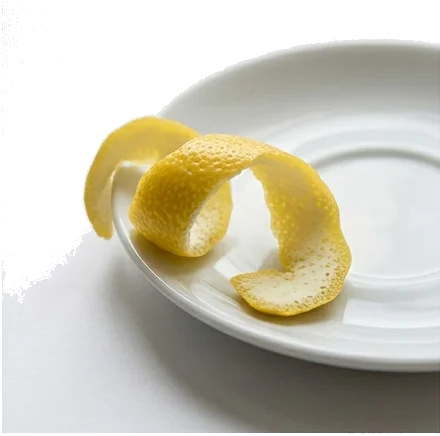
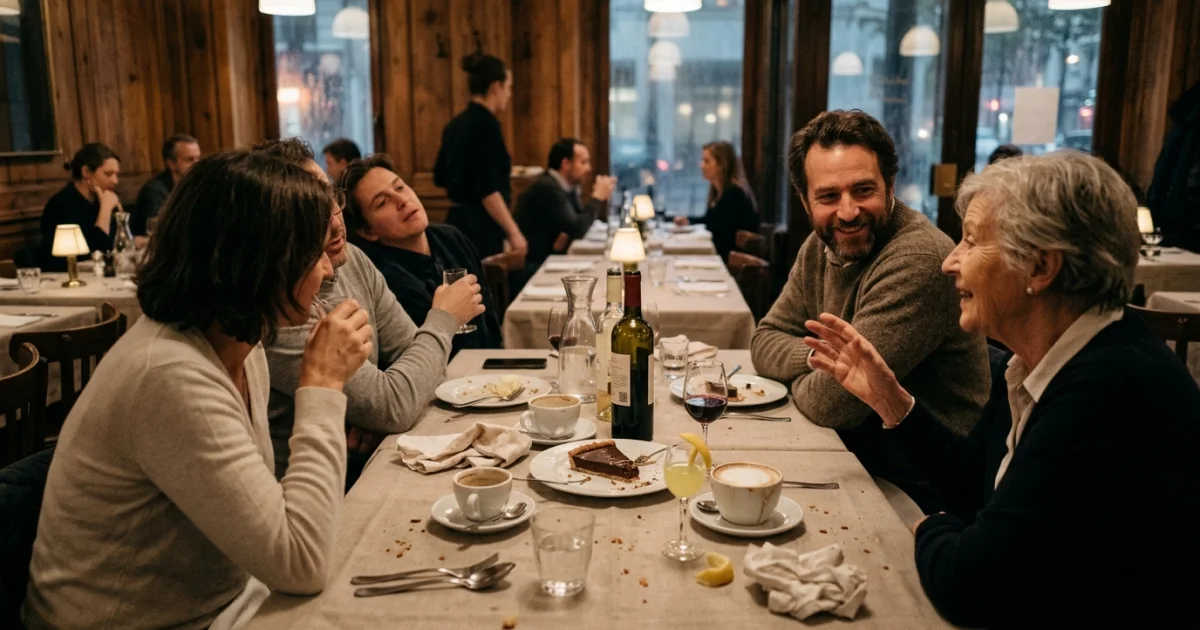
I still remember a rainy October evening in a small, wood-panelled osteria in Florence. The plates that had once held rich wild boar ragù had been cleared away over an hour ago. Yet, looking around the room, not a single guest was reaching for a coat. The air was thick with roasted coffee, lemon peel and the low, musical hum of three generations talking at once. Long before coffee is served, a slow-cooked Italian risotto often begins these memorable culinary journeys.
This is the magic of the European after-dinner transition. In Spain, there is a beautiful word for it: sobremesa. It literally means “over the table”, but the meaning is warmer than the translation. It describes that unscripted time when the food is gone, yet the hunger for conversation remains.
In a hurried world, the table is too often treated as a pit stop. Across much of Europe, the end of a meal can feel very different. It is not always an exit cue. Sometimes it is the beginning of the evening’s truest pleasure. Whether sharing a simple dessert or a hearty Hungarian goulash, slowing down to eat together is what truly matters.
The Meal Rarely Ends With the Main Course
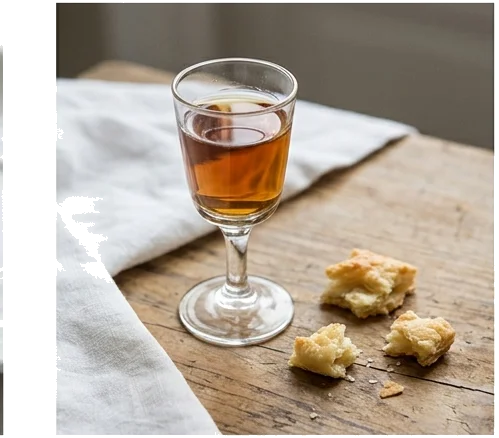
European dinners often soften after the main dish instead of stopping abruptly. The heavy plates disappear, but the table remains alive. Someone asks for coffee. Someone else orders a small glass of something herbal or golden. A few pieces of cheese may appear, or fruit, or a plate of pastries brought out with the quiet confidence of a family habit.
In France, the ending might move through cheese, coffee and a small digestif. In Italy, it may be espresso and a sweet bite, perhaps with a glass of amaro. In Austria, the evening might slip toward cake and coffeehouse patience. In Spain, the table may simply refuse to end quickly, especially when conversation has found its own rhythm. Many of these meals culminate with famous French desserts that showcase culinary elegance.
What matters is not only what is served. It is the permission to stay. A rushed meal feeds the body, but an unhurried ending often feeds the memory.
Dessert as a Second Conversation
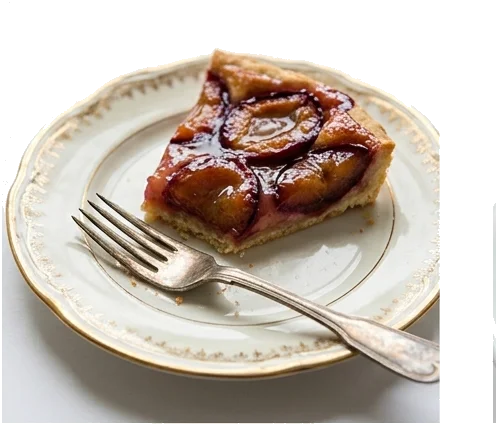
Dessert after dinner is not always about hunger. Often, it is about mood. A thin slice of cake, a spoonful of custard, a fruit tart with a glossy surface, or a few squares of dark chocolate can change the tempo of a table. The meal becomes quieter, softer and more reflective.
Old pastry shops understand this better than anyone. Their windows glow late in the day with cream, sugar, nuts and fruit. A good dessert does not need to shout. It only has to arrive at the right moment, when people have stopped eating quickly and started talking honestly.
Across the articles I return to most often on European food, desserts carry more than sweetness. Tiramisu carries stories of Italian cafés and family arguments over the “proper” version. Apple strudel carries the pull of Central European kitchens, thin dough and warm fruit. French éclairs and tarts speak of craft, patience and display. After dinner, these sweets become small cultural signals: the evening is not over yet.
Coffee, Digestifs and the Rhythm of Staying Longer
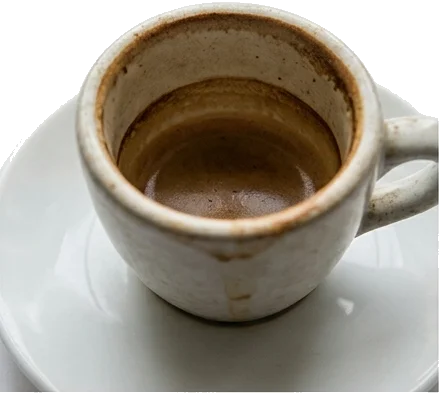
How does a table signal that dinner has ended but the evening has not? Often, the answer is liquid. The large glasses and dinner plates make room for smaller, more concentrated pleasures: espresso cups, narrow liqueur glasses, a pot of coffee, perhaps a little water served without ceremony.
- Italian espresso is short, dark and direct. After dinner, it is not meant to be a slow mug of comfort, but a sharp little punctuation mark.
- French after-dinner coffee often appears with restraint. It may come alone or beside a small pour of Calvados, Armagnac or Cognac, depending on place and habit.
- Austrian café culture turns lingering into an art form, where coffee, cake and conversation can stretch far beyond the original reason for sitting down.
- Spanish late evenings often allow the table to breathe. The point is not only the drink, but the shared refusal to hurry away.
Digestifs belong to this world too, though they should never be treated as the whole story. Amaro, limoncello, herbal liqueurs and brandies may appear in different regions, but their cultural role is similar. They slow the hand, warm the conversation and mark the passage from eating to lingering.
The Table as a Social Space
After-dinner time reveals something important about European dining culture: the table is not only a surface for food. It is a social space. It holds arguments, jokes, family news, old stories, quiet pauses and the kind of conversation that rarely happens when people are checking the clock. In Central Europe, gathering to make and share Polish pierogi serves as a classic way to foster these meaningful family connections.
Some of my clearest food memories are not of the main dish itself, but of what happened after it. A grandmother cutting fruit with a small knife in Portugal. A waiter in Vienna leaving a coffee cup undisturbed for an hour. Friends in Madrid ordering one more small plate, not because anyone was hungry, but because nobody wanted to break the spell.
The items that appear after dinner are often simple:
- coffee or espresso;
- a small pastry or piece of cake;
- fruit, nuts or chocolate;
- cheese in places where cheese belongs at the end of a meal;
- a short walk through the evening streets;
- conversation that outlasts the food.
That simplicity is part of the charm. The best after-dinner rituals do not need spectacle. They need time.
From Old Rituals to Modern Leisure
Evenings change, of course. Not every after-dinner hour now ends with handwritten letters, chessboards or another round of stories by candlelight. Some people read on a phone, play music quietly, watch a short film, check the news, or use digital entertainment once the meal itself has ended.
There is nothing strange about this shift. European dining traditions have always adapted. The café once changed how people read newspapers, argued politics and spent an afternoon. Radio changed the sound of the family room. Television changed the rhythm of quiet evenings. Digital habits are simply another layer, but they should not replace the heart of the night.
The centre of a good after-dinner hour should still be food, company and a sense of ease. Modern leisure can sit around those things, but it should not swallow them.
Where Adult Digital Entertainment Fits Carefully
For adults who already read about casino-style entertainment and prefer to compare information before making any decision, a resource such as World Casino Expert can be mentioned as part of the wider digital leisure landscape. It should remain optional, adult-only and secondary to the real centre of the night: conversation, coffee, dessert and a calm sense of occasion.
This distinction matters. A quiet evening after dinner is not improved by pressure, urgency or financial stress. If casino-style digital entertainment appears at all, it should be approached with information, limits and a clear understanding that gambling is not income. It should never become the reason the evening continues longer than it should.
The old European table teaches balance. One more coffee is pleasant because it is small. One more story is memorable because nobody is forcing it. Digital leisure should follow the same principle: modest, optional and never more important than the people sitting nearby.
Promotional Words Need More Than a Quick Glance
Promotional phrases in digital casino-style entertainment can sound simple at first. A term such as free spins may seem straightforward, but adults should always read the conditions behind any offer, including eligibility, limits, wagering rules and withdrawal restrictions.
No promotion should be treated as guaranteed value, free money or a reason to gamble impulsively. The word “free” can be especially misleading when conditions apply. Reading the terms is not the dull part of the experience; it is the part that helps an adult understand what is actually being offered.
The same rule applies to any form of casino-style entertainment. Set a fixed budget, set a short time limit, never chase losses and never treat gambling as a solution to financial problems. If an activity creates pressure, anxiety or the feeling that one must continue, it has already moved too far from the spirit of leisure.
Keeping the Evening Balanced
The best after-dinner rituals are built on proportion. A small espresso. A thin slice of cake. A quiet walk. A story told slowly because nobody is rushing to leave. These things work because they do not demand too much from the evening.
That is also the safest way to think about modern leisure. It should not crowd out the meal, the conversation or the atmosphere of the room. It should not pull attention away from the people at the table. And it should never turn a calm night into a chase for wins, losses or promotional value.
Food culture has always understood limits better than we sometimes realize. Too much sugar dulls a dessert. Too much coffee ruins sleep. Too much noise breaks a room. The same wisdom applies beyond food: a good evening knows when to stop.
Final Thoughts
The European after-dinner hour is not one single tradition. It changes from Lisbon to Vienna, from Florence to Madrid, from a family kitchen to a polished café. Yet the feeling is often familiar: the meal is finished, but nobody wants to leave the warmth of the table just yet. For example, sitting down to enjoy a fresh Lisbon custard tart represents the quintessential Portuguese way of extending a meal.
Perhaps that is why these small endings matter so much. Coffee, pastry, fruit, conversation, a quiet walk, one last story before the bill arrives — they all remind us that eating is never only about food. It is about time shared without hurry.
Modern habits may gather around that old ritual, but they should never overshadow it. The real luxury remains wonderfully simple: a table, a little sweetness, a warm cup, and people willing to stay a little longer.
Frequently Asked Questions
What usually happens after dinner in European food culture?
It depends on the country and the household, but coffee, dessert, fruit, cheese, digestifs, conversation and short evening walks are common after-dinner rituals. The main idea is not to rush away from the table immediately.
Why are desserts so important after a meal?
Desserts often mark a softer second stage of the meal. They are not only about sweetness, but about mood, hospitality, craft and the pleasure of letting conversation continue.
Is coffee part of the after-dinner ritual in Europe?
Yes, coffee plays an important role in many European after-dinner habits. Italian espresso, French coffee, Austrian café culture and Spanish late-evening coffee all show how a small cup can extend the rhythm of a meal.
Can modern digital leisure fit into an after-dinner evening?
It can, but only as a secondary and optional activity. The heart of the evening should remain food, company, conversation and a relaxed sense of place.
How should adults approach casino-style digital entertainment responsibly?
Casino-style digital entertainment should be for adults only. Anyone choosing to engage with it should set a fixed budget, set a time limit, read all terms carefully, avoid chasing losses and stop if the activity creates pressure or financial stress.
Leave a Comment