The Northern Ritual of Steam and Wood
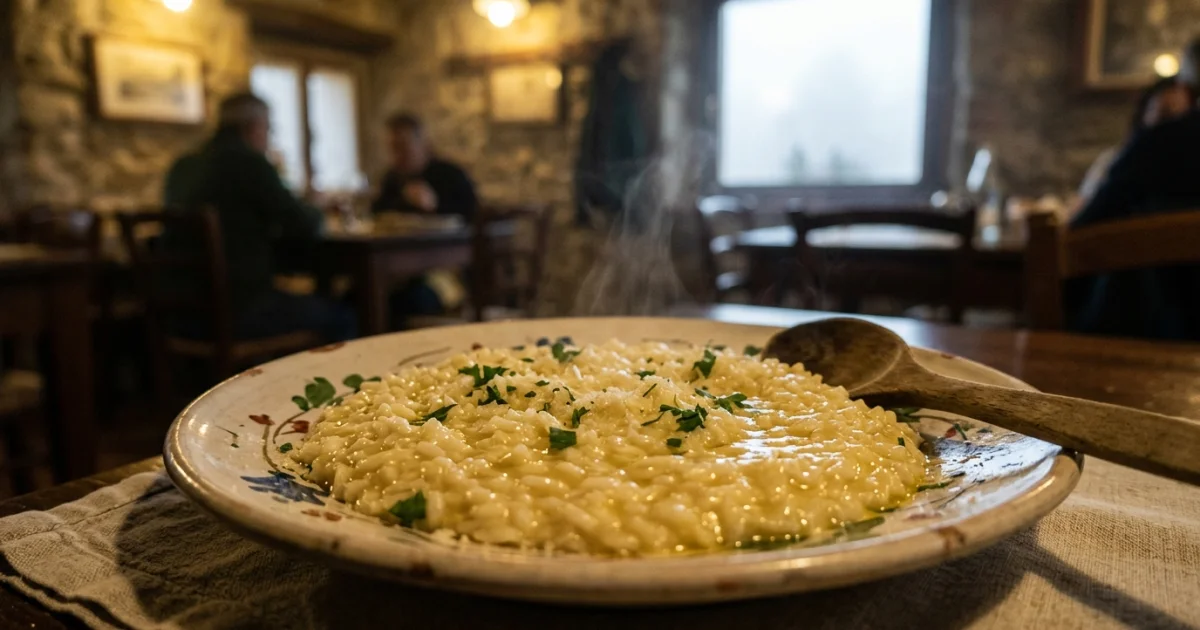
I remember sitting in a tiny, steam-fogged osteria in Mantua on a Tuesday in late November. Outside, a thick, milky fog—the legendary nebbia of the Po Valley—had rolled in, erasing the streets. Inside, the only sound was the low murmur of two elderly gentlemen arguing over the correct way to dress a pumpkin, and the rhythmic, hypnotic scraping of a wooden spoon against a copper pot in the kitchen. Twenty minutes later, a flat plate was set before me. The risotto was perfectly level, shimmering under the warm yellow lights, smelling of toasted grain, sweet butter, and aged cheese. It wasn’t a side dish. It wasn’t a quick bowl of rice. It was an exercise in patience made edible.
While Southern Italy sings of sun-drenched tomatoes and rapid-fire dry pasta, the North is a land of slow dampness, flat marshlands, and rice. Risotto is the culinary crown of Piedmont, Lombardy, and the Veneto. It is a dish that cannot be rushed, bypassed, or automated. It demands your presence at the stove, your eye on the flame, and your arm at the ready. To cook a true risotto is to enter into a quiet contract with time.
The Holy Trinity of Northern Rice
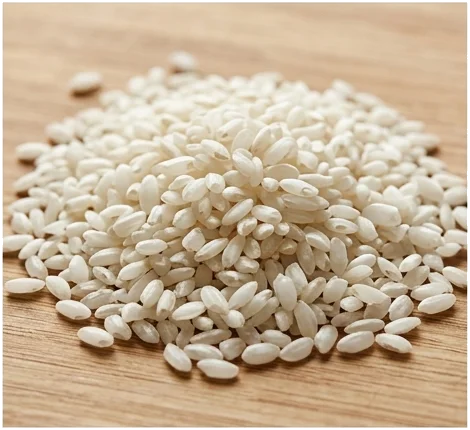
You cannot make a proper risotto with long-grain white rice, nor with jasmine or basmati. If you try, you will end up with a sad, watery soup or a dry, sticky mound. Risotto relies entirely on specific Italian medium and short-grain varieties grown in the flooded clay soils of the Po River basin. These grains are unique: they possess a hard, starchy core wrapped in a soft outer layer that dissolves beautifully during cooking. Finding these specific, high-quality regional ingredients is a highlight of visiting traditional European food markets.
- Arborio: The most famous name outside of Italy. It has wide, pearly grains that release a massive amount of surface starch, creating a very thick, creamy sauce. However, Arborio is forgivingly easy to overcook; its window between "chalky" and "mushy" is notoriously narrow.
- Carnaroli: Often called the "king" or the "caviar" of Italian rice by chefs and nonnas alike. Carnaroli has a higher content of amylose starch, which means the grains hold their shape beautifully and resist overcooking. It yields an incredibly elegant texture—creamy, yet with each individual grain retaining a distinct, toothsome bite.
- Vialone Nano: The darling of the Veneto region. It is a smaller, rounder grain that absorbs liquid like a sponge. It’s the traditional choice for wetter, more herb-forward risottos, particularly those featuring seafood or fresh spring vegetables.
The Science of the Starch Release
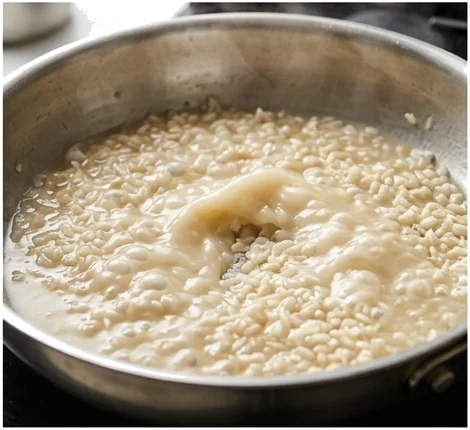
There is a common misconception that the creaminess of a great risotto comes from cream. In Northern Italy, adding cream to a risotto is considered a minor culinary crime. The luxurious, velvety texture is actually a triumph of kitchen physics, achieved through the slow release of starch from the rice grains themselves.
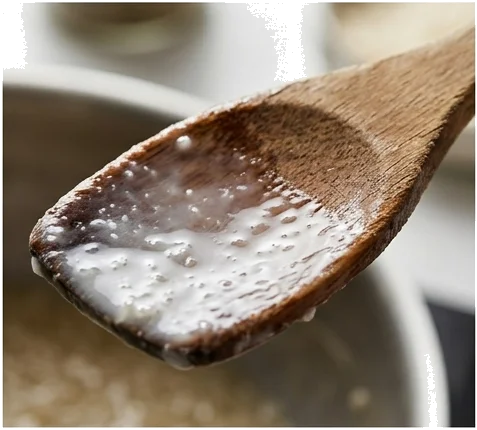
The rice contains two types of starch: amylose and amylopectin. As the rice grains rub against one another during the cooking process, the friction gently abrades the outer surface, releasing amylopectin into the surrounding liquid. This starch binds with the cooking broth and fat, emulsifying into a rich, glossy sauce that coats every single grain. This is why we never, under any circumstances, rinse risotto rice before cooking. To rinse the rice is to wash away the very magic that makes the dish possible.
The Choreography of the Pot
Making a risotto is not difficult, but it requires a strict sequence of steps. Each phase has a specific purpose, a sensory cue that you must listen for and watch for.
1. Il Soffritto
This is the aromatic foundation. Finely minced onion or shallot is gently sweated in butter or oil. The goal is to make the onion translucent and sweet, never browned. A browned onion will bitter the delicate flavor of the rice.
2. La Tostatura
Next, the raw rice is added directly to the pot with the onions. You stir the dry grains in the hot fat for two to three minutes. This is called "toasting." You are looking for the rice to smell faintly of toasted nuts and for the outer edges of the grains to become translucent, while the center remains a chalky white dot. This toasts the starch on the outside of the grain, helping it hold its structural integrity during the long simmer.
3. L'Sfumato
The pot is deglazed with a splash of dry, acidic white wine. The liquid should hiss loudly and evaporate almost instantly, leaving behind its bright, acidic essence to cut through the richness of the starch and butter to come.
4. The Hot Stock
Now begins the dance. You must have a pot of flavorful stock—chicken, beef, or vegetable—simmering gently on the adjacent burner. The stock must be hot; adding cold stock will shock the rice, drop the cooking temperature, and ruin the starch release. Ladle by ladle, you add the hot stock to the rice. You stir frequently, but not constantly—just enough to keep the grains moving, creating that vital friction, and preventing them from sticking to the bottom.
The Final Masterstroke: Mantecatura
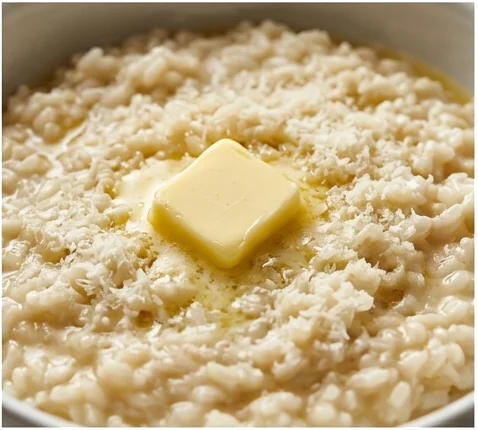
After about eighteen minutes of rhythmic stirring, when the rice is *al dente*—tender but still offering a slight, clean resistance to the tooth—you reach the most critical step of all. Remove the pot entirely from the heat. This is where many home cooks fail; they leave the heat on, drying out the sauce.
Off the heat, you perform the *mantecatura*. You drop a generous pat of ice-cold butter and a handful of finely grated Parmigiano-Reggiano into the pot. Using your wooden spoon, or by vigorously tossing the pan with a flick of your wrist, you beat the fat into the hot rice. This rapid movement emulsifies the melting butter and cheese with the remaining starchy liquid, creating a brilliant, glossy sheen.
The result should be *all'onda*—"wavy." If you shake the plate, the risotto should flow like a slow, gentle wave of lava, rather than sitting in a stiff, dry mound. It is a dish born of patience, a warm embrace against the northern chill, and a testament to what can happen when we simply take our time at the stove. This deep dedication to kitchen patience and precise technique is also key to understanding how the French eclair was perfected by master pastry chefs. Ending such a meal by lingering around the table is a perfect example of how after dinner traditions are cherished across the continent.
Leave a Comment