
The Morning Symphony of Cobblestones and Crates
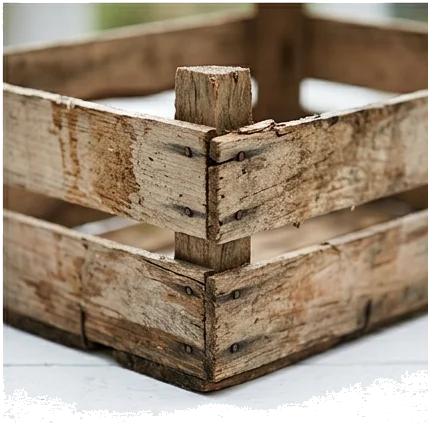
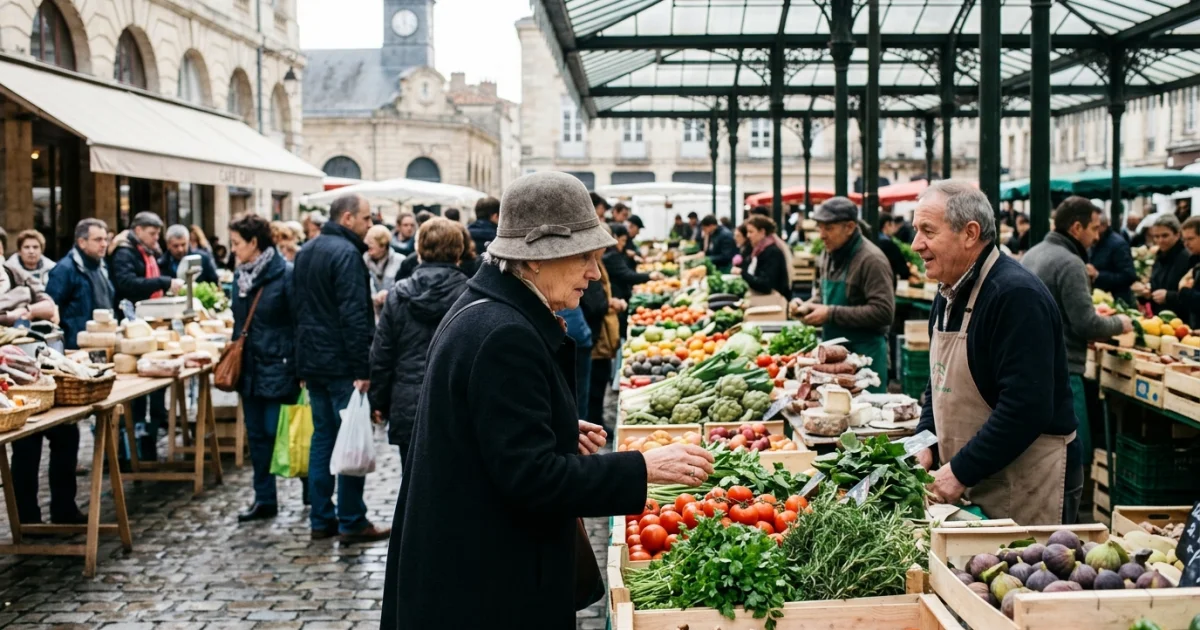
There is a specific moment, just before eight in the morning, when a traditional European town square transitions from sleep to survival. I’m not talking about the survival of the fittest, but the survival of taste. It starts with the hollow rattle of metal shutter doors, the scraping of heavy wooden crates against damp cobblestones, and the sharp, clean scent of crushed mint leaves and river-washed carrots. To understand how Europe cooks, you must skip the formal dining rooms for a morning and stand in the middle of its markets. Whether you are looking for fresh continental ingredients or planning to cook some traditional British dishes, starting your culinary journey at the local market is always the best choice.
These are not tourist attractions, though the glossy guidebooks try to paint them that way. To the grandmother clutching her canvas bag, or the local chef arguing with a third-generation grower over the exact ripeness of a heirloom pear, the market is a sacred daily negotiation. It is a living, breathing archive where the recipes of the past are defended, debated, and handed down in the exchange of loose change and brown paper bags.
The Geography of Scent and Sound

Every traditional market has its own invisible geography. You don’t need a map; you simply follow your nose. There is the cold, metallic humidity of the fishmongers' alley, where silver sea bream rest on beds of crushed ice next to dark, brine-scented mounds of mussels. Then, the sudden transition to the warm, yeasty embrace of the bakery stall, where sourdough crusts are still crackling as they cool down in the morning air.
But the true heart of any European market is the cheese counter—or rather, the cheese stage. Here, the vendor doesn't just sell; they perform. Watch an affineur slice into a wheel of mountain Gruyère or a creamy, straw-colored wedge of raw-milk Brie. They will offer you a sliver on the tip of a pocketknife. They will watch your face intently as you taste it, waiting for that subtle nod of approval. If you ask about the age of the cheese, prepare yourself for a five-minute lecture on summer pastures, alpine herbs, and the moisture levels of stone cellars. This isn’t salesmanship; it’s a quiet pride in preserving a flavor that cannot be replicated by industrial machinery.
The Curators of the Soil
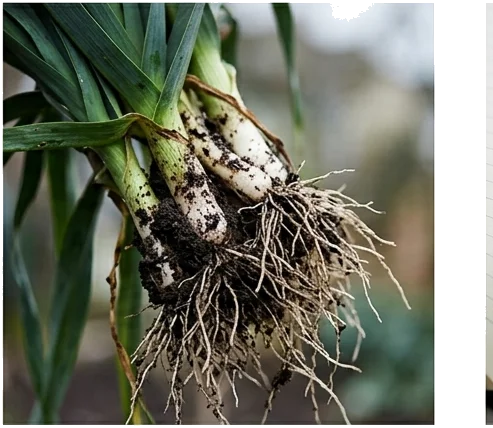
What makes these markets feel so intensely alive is the direct connection to the land. The people behind the wooden trestle tables are often the same hands that pulled the leeks from the dirt at dawn. They are the curators of regional culinary history. Their seasonal produce inspires countless timeless recipes, such as a hearty Greek moussaka.
- The Preservers of Heirloom Varieties: At a market in Florence or Toulouse, you will find varieties of chicory, bitter greens, and knobby tomatoes that never make it to supermarket shelves because they don't pack neatly into cardboard boxes. They exist here because they taste of the local earth.
- The Keepers of the Season: There is a strict, unwritten calendar. When wild mushrooms arrive in autumn, the market turns earthy and brown. In spring, the stalls explode with pale green wild asparagus and tiny, sweet strawberries that must be eaten the same afternoon.
- The Arbiters of Authenticity: Ask a vendor in a Spanish market how to make a proper pisto, and they will tell you exactly which onion to use, which oil to fry it in, and why your current recipe is completely wrong. This friendly bickering is how culinary traditions remain sharp and uncompromised.
Three Markets Where History Still Cooks
1. Mercato di Sant'Ambrogio (Florence, Italy)
While tourists crowd the grand Mercato Centrale, the locals slip away to Sant'Ambrogio. Here, under a late 19th-century iron pavilion, the atmosphere is loud, chaotic, and wonderfully domestic. You will find older Florentines debating the texture of tripe, tables piled high with dark Tuscan kale (cavolo nero), and small corner stalls serving hot plates of ribollita to market workers. It is a place where food is treated not as a luxury, but as a fundamental right of daily life.
2. Marché des Enfants Rouges (Paris, France)
Tucked away behind a wooden door in the Marais district, this is the oldest covered market in Paris, dating back to 1615. It is a compact maze of historic food stalls where you can smell both the classic buttery scent of French tarts and the rich, spiced steam of Moroccan tagines. It represents the beautiful evolution of European food culture—deeply rooted in local soil, yet open to the flavors brought by those who have made the city their home. It is also the perfect spot to pick up a fresh french baguette to enjoy on your walk.
3. Viktualienmarkt (Munich, Germany)
What started as a simple peasant market has grown into a sprawling open-air feast in the heart of Munich. Beneath the shade of ancient chestnut trees, you’ll find dedicated stalls for wild game, mountain cheeses, and fresh horseradish grated on the spot. It’s a sensory crash course in Bavarian hospitality, where the slow lunch is still celebrated with a soft pretzel, a plate of white sausage (Weißwurst), and a quiet moment of reflection under the morning sun.
The Crumbs We Leave Behind

As the noon sun warms the market square, the energy shifts. The heavy crates are packed away, the stone floors are swept down with water, and the vendors sit down at the corner café for a well-earned glass of local wine.
If you sit nearby, brushed-off pastry crumbs still on your notebook, you realize that the magic of these markets isn't just in the ingredients you can buy. It is in the realization that for a few hours, you were part of a chain of human connection that has kept European regional cooking alive for centuries. It’s a reminder that the best meals don’t begin in a kitchen, but in the noisy, fragrant chaos of the morning market.
Leave a Comment