The Crunch in the Morning Air
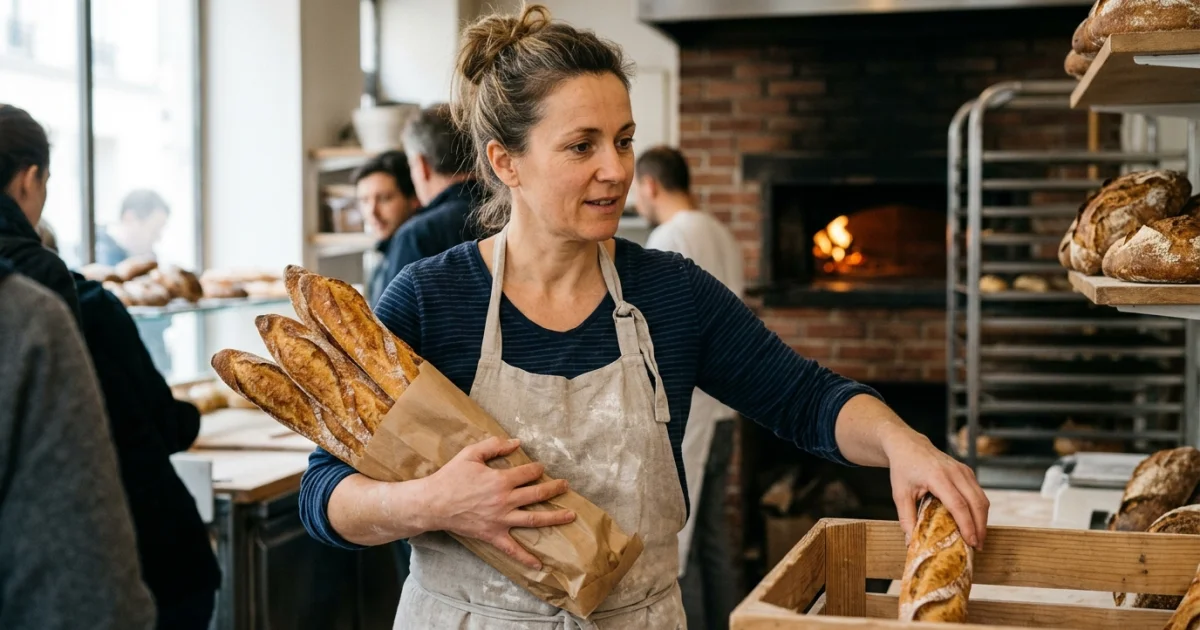
If you find yourself walking through any French town just as the sun is smudging the sky with gray and pink, you will hear it before you see it. It isn't the sound of traffic or early morning chatter, but the unmistakable, dry crackle of paper sleeves and shattering crust. It is the sound of the first baguettes of the day being carried home.
I have a habit, whenever I am staying in France, of finding the nearest boulangerie with a line spilling onto the pavement. I stand there, collar turned up against the damp air, breathing in that intoxicating mix of toasted flour, caramelized sugar, and warm yeast. And like almost everyone else walking back to their kitchen table, I can rarely resist the ritual of the quignon—tearing off the warm, crunchy heel of the baguette right there on the street, letting the crumbs fall onto my jacket. It is a small, quiet act of sensory greed that unites the entire country.
The Daily Pilgrimage: More Than Just Bread
In France, the baguette is not merely a carb to be slathered with butter; it is a clock by which the day is measured. It is purchased fresh in the morning for breakfast, and often again in the late afternoon for dinner. To eat a baguette that is twelve hours old is considered a minor domestic tragedy.
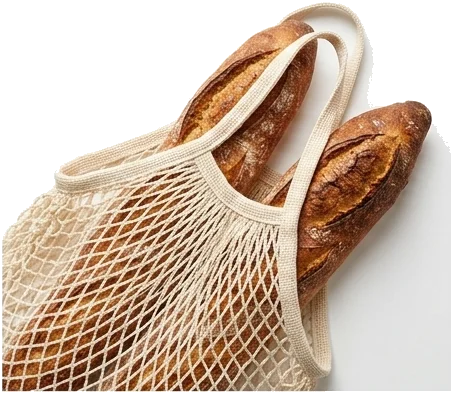
This daily ritual dictates that the bread is bought to be consumed immediately. It is carried under the arm like a rolled-up newspaper, naked to the world except for a tiny strip of paper wrapped around its middle to give your hand a place to grip. It belongs to the street as much as it belongs to the dining table. But to understand why this simple stick of bread holds such power over the French culinary imagination, we have to look closely at its physical anatomy: the perfect duality of crust and crumb.
Crust and Crumb: A Study in Contrasts
A truly great baguette is a masterpiece of textures working in opposition to one another. When you hold it, it should feel deceptively light, but rigid.
La Croûte (The Crust)
The crust should be a deep golden-amber color, never pale yellow. It should be blistered and mapped with fine cracks. When you gently squeeze a fresh baguette, it should "sing"—a distinct, high-pitched crackling sound that tells you the crust is thin, brittle, and perfectly baked. The slashes across the top, known as grignes, should have sharp, caramelized edges that offer a deeply toasted, almost nutty flavor when bitten into.
La Mie (The Crumb)
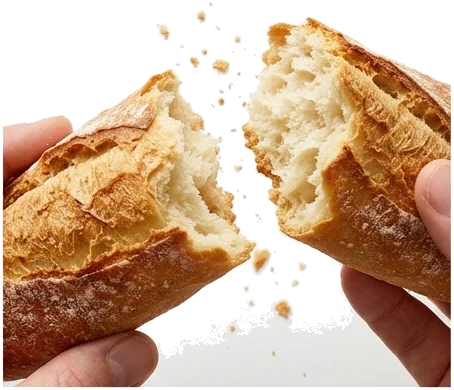
Inside lies the contrast: the crumb. Tear the bread open, and you shouldn't see a uniform, pillow-soft white interior. A proper crumb is ivory or pale cream in color, indicating that the flour was not bleached or over-oxidized during mixing. It should be highly irregular, filled with large, glossy, unevenly distributed holes—what bakers call alvéolage. When you press the crumb with your thumb, it should spring back resiliently, carrying a complex aroma of yeast, sweet grain, and a faint, pleasant acidity.
La Baguette de Tradition: The Law That Saved the Loaf
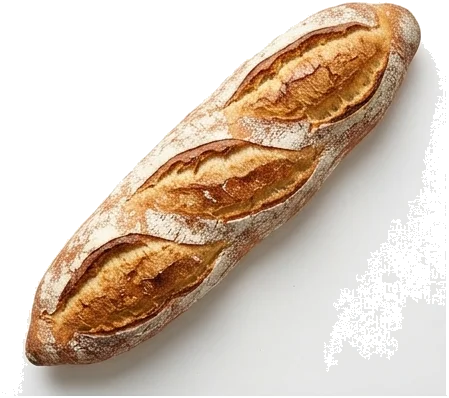
In the mid-20th century, the rise of industrial baking threatened to turn the French baguette into a tasteless, cottony stick of fast-rising white bread. Realizing that a national treasure was at risk of disappearing, the French government stepped in with a piece of legislation that sounds incredibly romantic to anyone who loves food: the Décret Pain (The Bread Decree) of 1993.
This law established the strict standards for the Baguette de Tradition Française. To bear this prestigious name, a baguette must adhere to uncompromising rules:
- Four Ingredients Only: It can only contain wheat flour, water, salt, and yeast (or wild sourdough starter). No chemical preservatives, no enzymes, and no dough conditioners are permitted.
- Never Frozen: The dough must never be frozen at any stage of the production process.
- Made on Site: It must be baked entirely on the premises where it is sold.
If you visit a French bakery today, you will notice two main options on the shelves: the standard baguette (often made with modern, faster methods) and the baguette de tradition (usually costing just a few cents more). Always choose the tradition. It is the taste of history, preserved by law.
Why Time is the Secret Ingredient
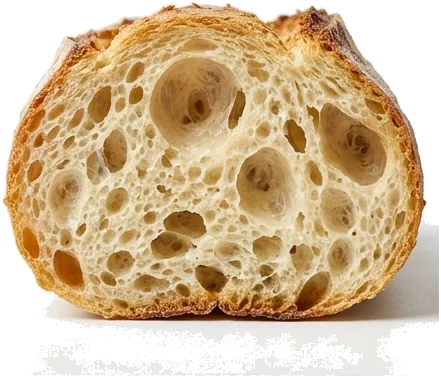
Without chemical additives to speed up the process, how does a baker achieve that magnificent flavor and those beautiful, irregular holes in the crumb? The answer is simple: time.
The magic of the baguette de tradition lies in slow fermentation. Instead of forcing the dough to rise in an hour using massive amounts of commercial yeast, traditional bakers use a tiny amount of yeast or a poolish (a wet starter) and let the dough rest in a cool environment for 15 to 20 hours, sometimes even longer.
During this long, cold sleep, natural enzymes in the flour break down complex starches into simple sugars. This slow process does two vital things. First, it allows organic acids to develop, giving the bread its deep, multi-dimensional flavor and natural sweetness. Second, it allows the gluten network to relax and stretch gently around pockets of gas, creating that wild, irregular, cream-colored interior structure. It is a process that cannot be rushed by machines, and it is why a great baguette is as much an expression of patience as it is of raw skill.
Next time you tear into a baguette, take a moment to look at the crumb, smell the sweet fermentation, and listen to the crust. You aren't just eating bread; you are participating in a quiet, beautiful ritual that has been perfected over generations, one morning at a time. This same deep respect for generational culinary art is central to the famous tiramisu history. It is also the perfect companion for popular European cheeses, which share a similar dedication to time-honored artisanal methods.
Leave a Comment