The Art of the Drift: Why Tapas Are a Spanish Philosophy, Not an Appetizer
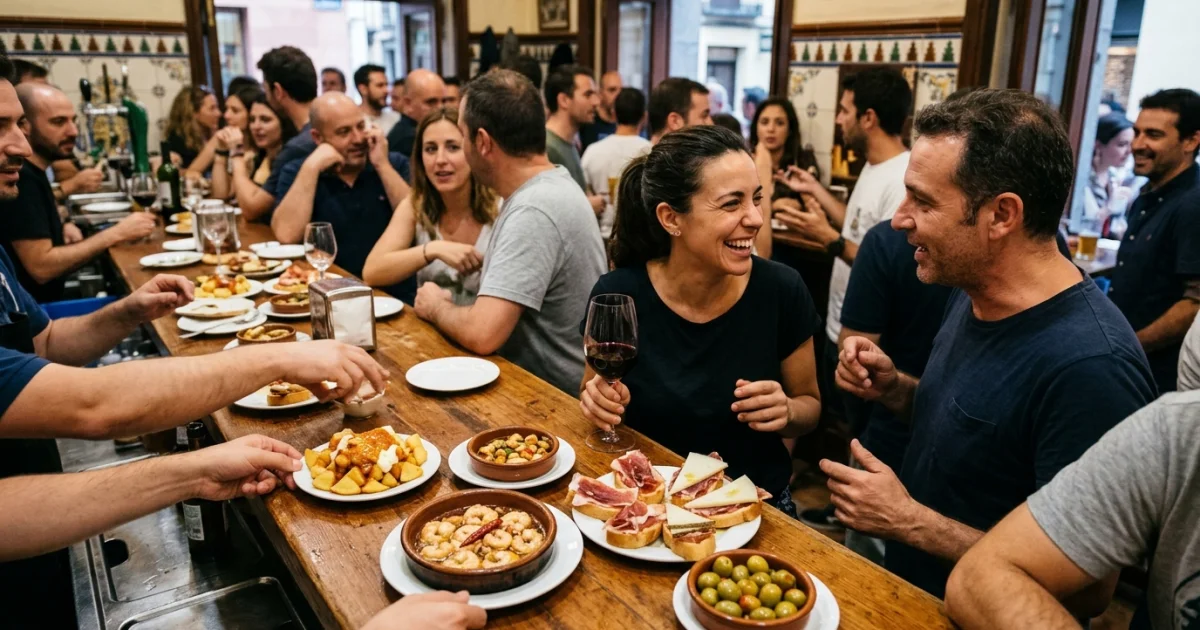
If you find yourself squeezed into a narrow, tile-walled bar in Madrid’s La Latina neighborhood around nine in the evening, you will notice a curious phenomenon. No one is sitting down. There are no heavy menus, no stiff linen napkins, and certainly no one planning a traditional three-course dinner. Instead, there is a lively, chaotic symphony of clinking glasses, the savory aroma of sizzling garlic, and a floor lightly littered with paper napkins—the universal Spanish sign of a thoroughly loved tavern.
To the outsider, tapas are often described as Spanish appetizers. But to look at these small plates as mere starters is to miss the entire point of Spanish gastronomy. Tapas are not a course; they are a social ritual, a philosophy of connection, and a verb: tapear. To tapear is to drift. It is the art of moving from one bar to the next, taking a single drink and a single bite at each stop, sharing stories with old friends, and arguing warmly with strangers over the quality of the house vermouth.
As a food writer who has spent years wandering through Europe’s culinary corners, I have always found the Spanish tapas culture to be the ultimate antidote to the rushed, isolated nature of modern life. It is food designed to be eaten standing up, with a fork in one hand and a glass in the other, celebrating the beauty of the present moment. In my travels, I have also documented sweet stories, including a deep dive into French éclair history. My journeys also led me to uncover the comfort of traditional British classics that have stood the test of time.
Wind, Wine, and Dust: The Colorful Origin Myths
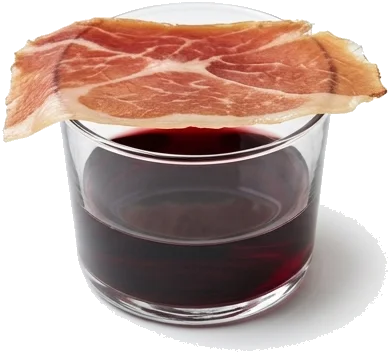
How did this magnificent tradition begin? Like all great European food stories, the history of the tapa is wrapped in folklore, royal decrees, and dusty winds. The word tapa literally translates to "lid" or "cover," and the most popular legends explain how a simple cover became a culinary institution.
- The Royal Windscreen: One of the most famous tales features King Alfonso XIII during a visit to the windy province of Cádiz. He stopped at a local tavern and ordered a glass of sherry. Because the tavern doors were open and the wind was blowing dust from the beach, the clever bartender covered the King’s glass with a slice of cured ham (jamón serrano) to protect the wine. The King drank his wine, ate the ham, and promptly ordered another glass "with the cover."
- The Wise King’s Remedy: Another legend attributes the birth of the tapa to King Alfonso X ("The Wise") in the 13th century. Recovering from an illness, his doctor prescribed wine, which the King took alongside small bites of food to avoid getting lightheaded. Once recovered, the King decreed that no tavern in Castile should serve wine without a small portion of food to keep the patrons sober—and peaceful.
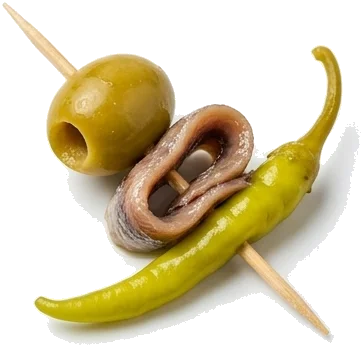
- The Working Man's Fuel: On a more practical level, agricultural workers in Andalusia needed small, salty bites of food throughout the day to sustain them in the heat without making them too sluggish to work. A slice of cheese or a few olives placed over a glass of local wine kept the flies out and kept the workers going.
Whether born of royal necessity or rustic practicality, the essence of the tapa has remained unchanged: it is food meant to accompany drink, conversation, and community.
The Golden Standards: Masterpieces of Simplicity
The beauty of classic Spanish tapas lies in their refusal to hide behind overly complex techniques. They rely entirely on the quality of a few local ingredients: cold-pressed olive oil, fresh garlic, sweet and spicy pimentón (smoked paprika), and whatever the local land or sea has provided that morning. Here are two absolute pillars of the tapas bar that you must seek out. Just as simple ingredients define tapas, the classic French croissant relies on high-quality butter and precise layering.
Tortilla Española: The Eternal Debate
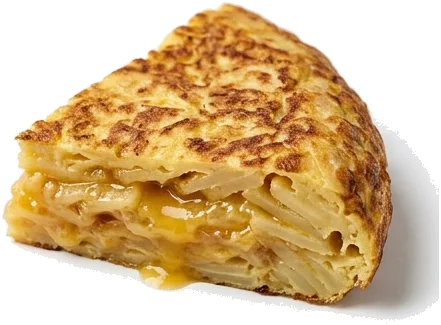
There is perhaps no dish more sacred to the Spanish kitchen than the tortilla española (potato omelet). It is a deceptively simple masterpiece of just four ingredients: potatoes, eggs, olive oil, and salt. Yet, this humble dish is the subject of endless, passionate debates across the country.
The great national divide is between the concebollistas (those who insist a true tortilla must include onions) and the sincebollistas (the purists who demand only potatoes and eggs). Personally, I lean toward the sweet, caramelized depth that slow-cooked onions bring to the mix.
A perfect tortilla should be thick, with the potatoes gently poached in high-quality olive oil until tender but not browned. The magic happens in the center; when cut, a truly exceptional tortilla should be slightly runny (jugosa), letting the rich, golden egg yolk spill gently onto the plate, ready to be swept up with a torn piece of crusty bread.
Patatas Bravas: Simple, Fiery, and Iconically Spanish
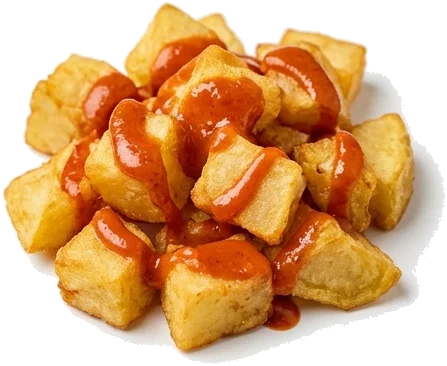
If there is one dish you will find in almost every single bar from Seville to Bilbao, it is patatas bravas. At its core, it is a plate of irregular, hand-cut potato cubes, fried until they boast a golden, crispy exterior while remaining fluffy on the inside. But what defines a plate of bravas is the sauce.
Depending on where you travel in Spain, the "brave sauce" changes character:
- The Madrid Style: In the capital, the sauce is deep red, velvety, and features no tomatoes at all. Instead, it gets its rich color and smoky heat from a combination of sweet and spicy pimentón, olive oil, flour, and a rich meat or vegetable broth.
- The Mediterranean Style: In Catalonia and Valencia, you will often find the crispy potatoes topped with a dual layer of silky, garlic-heavy aioli and a spicy, chili-infused oil.
Whichever version you encounter, the contrast between the hot, crunchy potato and the spicy, warming sauce is one of the greatest pleasures of the Spanish table.
How to Tapear Like a Local
To truly experience the soul of this culinary tradition, you must leave your formal dining habits at the door. If you sit down at a table outside and order a large plate of food (a ración), you are certainly going to have a lovely meal, but you are not practicing the ritual of the tapeo.
Instead, look for the busiest bar you can find. Squeeze your way to the counter. Order a caña (a small, ice-cold draft beer designed to be finished before it has time to warm up) or a glass of dry Manzanilla sherry. Look at what is displayed under the glass counter or written on the chalkboard. Order one or two plates to share with your companion. Eat, enjoy the noise, pay your bill, and then step back out into the cool evening air to find the next bar. That is where the magic of the Spanish evening truly lives. This dynamic street culture offers a lively contrast to the long, relaxed after dinner traditions found at dining tables elsewhere in Europe.
Leave a Comment