Pastel de Nata: Custard, Monasteries, and Lisbon Bakery Rituals
There is a specific sound you look for when walking down the cobblestone hills of Lisbon’s Alfama or Chiado districts. It isn't the rattle of the yellow Tram 28, nor is it the melancholy strain of a fado guitar drifting from a tavern doorway. It is the sharp, dry snap of puff pastry yielding to a bite. If you stand close enough to the open door of a traditional pastelaria, you will hear it dozens of times a minute: the shattering of microscopic, butter-laden layers, followed by a quiet, appreciative sigh.
The Pastel de Nata is not merely Portugal’s most famous sweet; it is a daily civic ritual. To understand it, you have to look beyond the bakery display case and into the damp, stone-walled kitchens of 18th-century Portuguese monasteries, where necessity, faith, and an abundance of egg yolks conspired to create a masterpiece of culinary engineering.
The Architecture of Shatter and Cream
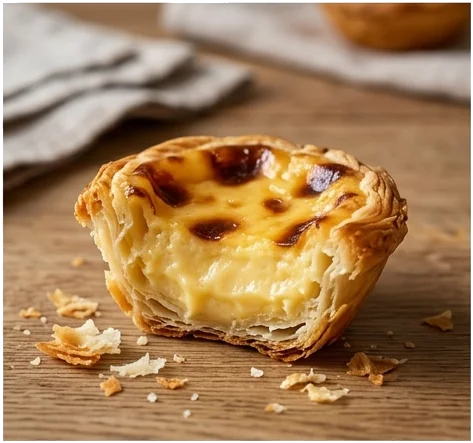
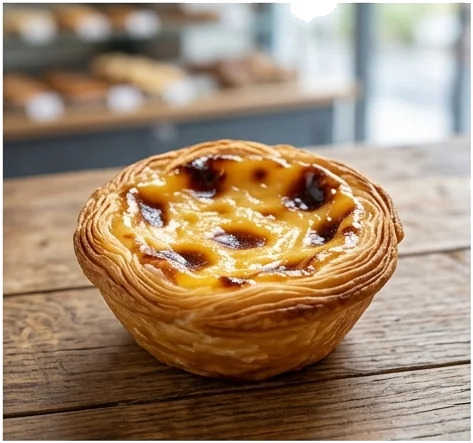
Before we dive into the history, we must talk about the texture. A mediocre pastel de nata is a sad affair—soggy dough, overly sweet custard that tastes of cornstarch, and a pale, uninviting top. But a great one? A great one is a study in culinary contrasts. When you hold a fresh tart, still warm from the oven, you are holding a tiny volcanic crater of custard cradled in a spiral of laminated dough.
The construction of the pastry is a work of art. Instead of a standard shortcrust, the dough is rolled thin, layered with butter, and rolled tightly into a log. When sliced and pressed into the metal tins, this creates a spiral pattern at the base. As it bakes at incredibly high heat—often around 300°C (570°F)—the moisture in the butter vaporizes instantly, forcing the layers apart. The result is not a crumbly cookie crust, but a brittle, multi-layered nest that shatters like autumn leaves when bitten.
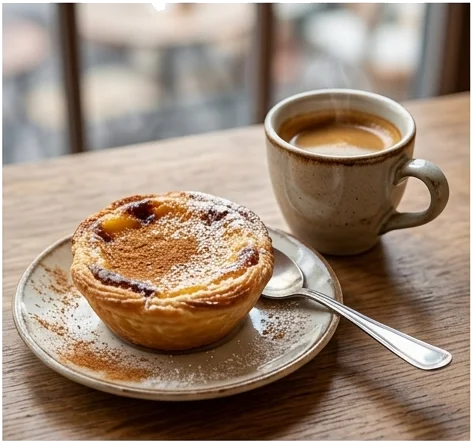
Nestled inside this crispy cradle is the custard (doce de ovos). It must be rich but not heavy, infused with lemon peel and cinnamon, and, crucially, blistered on top. Those dark brown and black spots are not mistakes; they are caramelized sugar bridges that add a subtle, bitter contrast to the sweet cream beneath. The custard should still have a slight jiggle, hovering on the knife-edge between liquid and solid.
Born of Laundry and Faith: The Monastic Legacy
To find the birthplace of the pastel de nata, we have to travel a few kilometers west of central Lisbon to the parish of Belém. Here stands the Jerónimos Monastery, a colossal monument to Portugal’s Age of Discovery, funded by the riches of the spice trade. Inside these grand stone walls, during the 17th and 18th centuries, Catholic monks and nuns lived a busy, self-sustaining life.
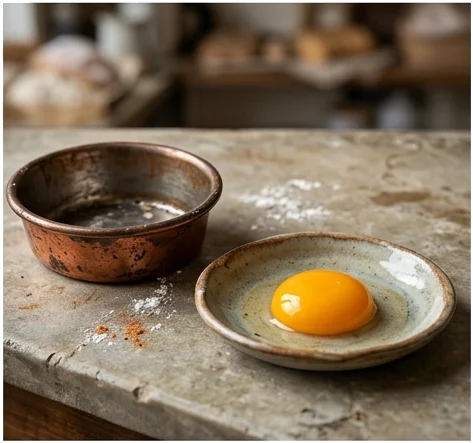
They also did a lot of laundry. In those days, egg whites were the primary starch used to stiffen the habits of nuns and the collars of monks. This left the monasteries with an existential culinary problem: what to do with thousands of leftover egg yolks? The answer lay in the convent kitchens, where the residents turned baking into an art form, utilizing the vast amounts of sugar arriving from Portuguese colonies like Brazil.
The monks refined the recipe for what would become the pastel de nata. However, when the Liberal Revolution of 1820 swept through Portugal, monasteries were shut down, and the clergy found themselves facing expulsion and poverty. To survive, a secularized monk began selling the sweet tarts to a local sugar refinery next to the monastery. By 1837, the refinery owners opened the Fábrica de Pastéis de Belém, using the original, highly guarded monastic recipe. To this day, only a handful of master bakers know the exact proportions of the "secret" recipe, which is prepared behind closed doors in the oficina segredo (secret workshop).
The Bakery Ritual: How to Eat a Pastel like a Lisboeta
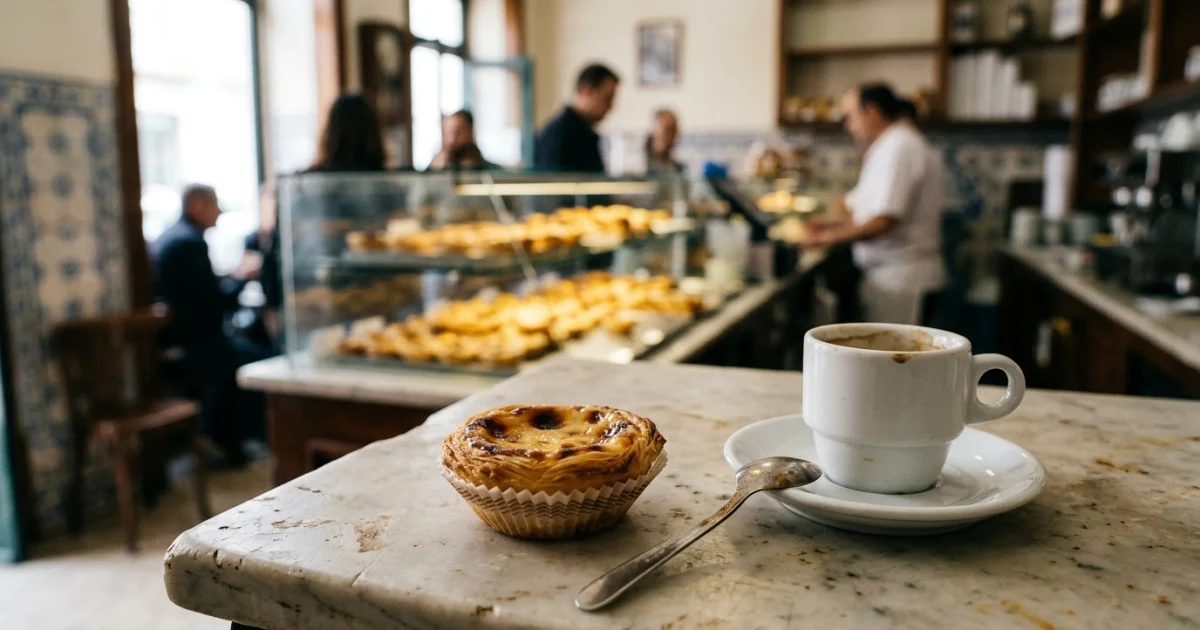
If you want to experience the true soul of the pastel de nata, do not buy a box of six from a tourist shop and eat them cold on a tour bus. Instead, seek out a neighborhood café where the locals gather. Look for the sign Fabrico Próprio, which guarantees the pastries are made on the premises. This pursuit of authentic local flavors is also highly rewarded when exploring vibrant European food markets.
Observe the ritual of the morning or mid-afternoon pause. It is simple, unhurried, and deeply comforting:
- Find your spot at the balcão: While sitting at a terrace table is pleasant, standing at the marble counter (o balcão) connects you to the heartbeat of the café. It is where you watch the barista steam milk and slide hot trays of tarts onto the metal counter.
- Order a Bica: The pastel de nata has a natural partner: a bica, Lisbon's version of a short, intense espresso. The bitterness of the dark roast coffee cuts through the rich, buttery sweetness of the egg custard perfectly.
- The Shaker Test: On every counter, you will find two metal shakers. One is powdered sugar (açúcar em pó), and the other is cinnamon (canela). While the sugar is optional, a generous dusting of warm, aromatic cinnamon over the caramelized top of your tart is non-negotiable. It bridges the gap between the lemon-scented custard and the buttery pastry.
- Eat it warm: A cold pastel de nata is a shadow of its true self. If the bakery is doing its job, the tarts are coming out of the oven in continuous batches. Touch the bottom of the tin; it should be warm enough to make you hesitate, but cool enough to hold. Take your first bite, listen for the shatter, and let the warm cream take over.
In a world of fast-paced trends and over-complicated desserts, the pastel de nata remains a comforting constant. It is a bite of history, a physical remnant of monastic survival, and a daily excuse for Lisboetas to slow down, share a laugh at the counter, and brush pastry crumbs off their jackets before stepping back out into the sunlit streets. It stands proudly alongside famous French desserts as a masterpiece of European baking. Just like the beloved Italian tiramisu, this Portuguese pastry has captured the hearts of dessert lovers worldwide. This leisurely approach to enjoying sweets and coffee mirrors other famous European after dinner rituals that prioritize relaxation.
Leave a Comment