
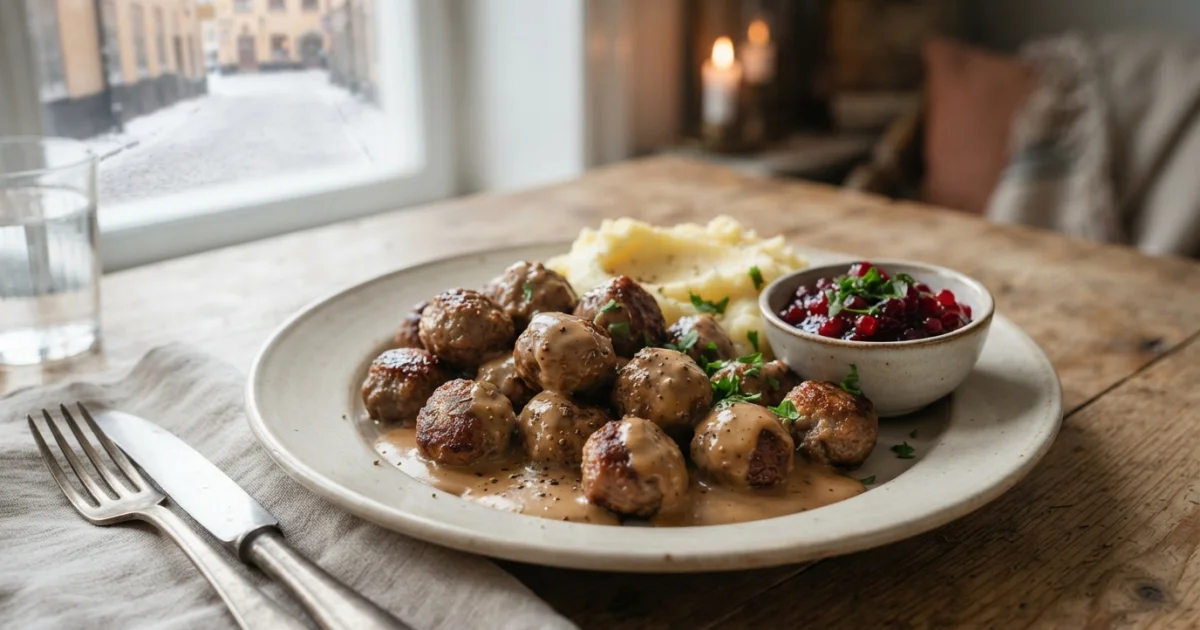
Step off the blustery cobblestones of Stockholm’s Gamla Stan on a crisp afternoon, and the air carries an unmistakable fragrance: melting butter, sweet toasted allspice, and simmering stock. Most of the world knows Swedish meatballs through the sterile cafeteria trays of flat-pack furniture showrooms, where uniform spheres bob in a bland, paste-thick gravy. But true home-cooked köttbullar are a revelation of European comfort food. Diminutive—scarcely 1 inch in diameter—they yield to the fork with an ethereal, velvety crumb born of a cream-soaked panade. Their spice profile belongs unmistakably to the North: ground allspice, grated nutmeg, and white pepper, offering fragrant warmth without pungent heat. Pan-seared in copious golden butter, they develop a deeply caramelized, savory crust that provides the base for a genuine pan-dripping cream sauce (gräddsås). Whether taking center stage during the festive winter julbord or anchoring a slow Sunday family dinner, homemade köttbullar are a masterclass in Scandinavian balance.
What Makes Swedish Meatballs Distinct from Other Meatballs?
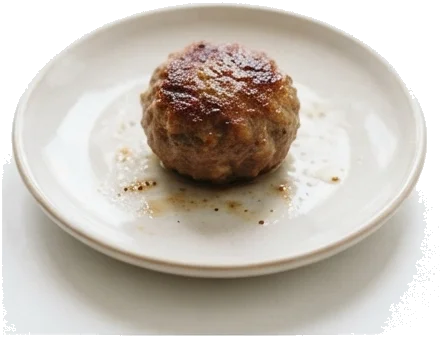
To understand köttbullar, one must unlearn the habits of Mediterranean and American meatball making. Where an Italian-American polpetta commands the plate with its fist-sized heft, pungent garlic, and fistfuls of oregano bathed in red sugo, the Swedish meatball is modest, refined, and distinctly bite-sized. Traditional köttbullar are shaped to roughly 1 inch (about 1 oz, or a rounded tablespoon), ensuring an optimal ratio of crisp, butter-seared crust to tender interior in every single mouthful.
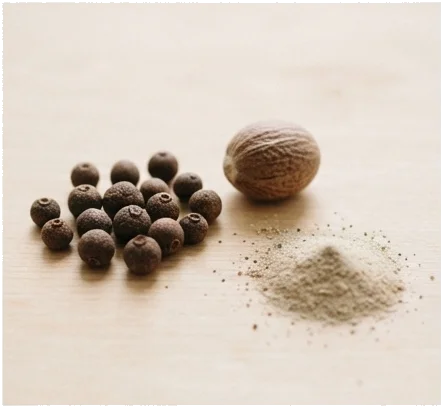
The seasoning profile is equally unique. You will find no garlic, basil, or dried oregano inside an authentic Swedish meat mixture. Instead, the flavor rests on sweet, fragrant baking spices: freshly ground allspice (kryddpeppar), fragrant nutmeg, and gentle white pepper. For holiday feasts, particularly the Christmas julköttbullar served on the festive julbord, cooks traditionally add a whisper of ground cloves (kryddnejlika). The texture is pillowy rather than dense, achieved through an emulsion of soaked bread and eggs. Finally, the dish is inseparable from its plate companions: a pale-tan pan gravy enriched with cream, fluffy mashed potatoes, and the vibrant, jewel-toned acidity of tart lingonberries that cuts cleanly through the richness.
Essential Ingredients for Köttbullar and Gräddsås
Classic Swedish home cooking (husmanskost) relies on unpretentious ingredients treated with precision. Here is what you need to build authentic flavor from scratch:
- The Meat: An exact 50/50 ratio of ground beef (80–85% lean) and ground pork. Lean beef lends savory depth and structure, while pork supplies essential fat, tenderness, and moisture. Avoid extra-lean beef, which yields dry, tough meatballs.
- The Panade: Stale, crustless white bread torn into small bits (or fine unseasoned breadcrumbs) soaked in heavy cream or whole milk alongside beaten eggs. This hydrating starch paste coats meat proteins, preventing them from seizing into rubbery clusters as they cook.
- The Aromatics: Yellow onion, grated finely on a box grater so its juices mingle with the meat. It must be sweated gently in butter until translucent and completely cooled before being combined with the eggs.
- The Warm Spices: Ground allspice and freshly grated nutmeg form the essential aromatic signature. Ground white pepper provides subtle, clean heat without flecking the light interior with black specks, balanced by fine sea salt or kosher salt.
- The Gräddsås (Cream Sauce): Built directly in the meatball skillet using reserved butter and savory pan drippings, all-purpose flour, rich beef stock, heavy cream, and a splash of soy sauce (a ubiquitous Swedish secret that adds deep umami and a natural pale-tan hue without artificial coloring).
Step-by-Step Instructions: Making the Meatballs
Achieving restaurant-quality köttbullar requires five distinct phases: hydrating the panade, seasoning the meat gently, shaping into uniform spheres, chilling to set the fats, and browning in bubbling butter.
Soaking the Panade & Prepping the Aromatics
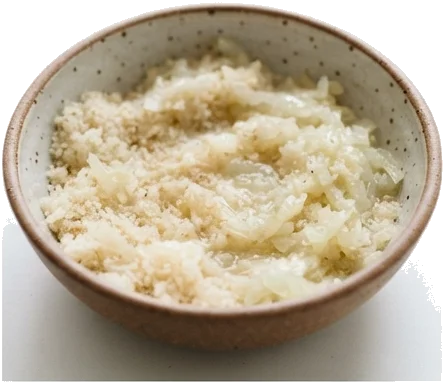
Begin by grating one medium yellow onion on the coarse side of a box grater. Grating releases the onion’s sweet, sulfurous juices and eliminates crunchy raw bits that could rupture your meatballs during frying. Melt 1 tablespoon of butter in a small skillet over medium-low heat, add the grated onion along with its juices, and sweat for 5 to 7 minutes until completely soft and translucent. Do not let the onion brown. Remove the skillet from heat and let the onion cool completely to room temperature. Critical note: Never add hot onions to the mixture, as the residual heat will prematurely curdle the raw eggs and melt the pork fat.
In a large mixing bowl, whisk together ½ cup of heavy cream (or whole milk) and 1 large egg. Add ½ cup of fine dried breadcrumbs (or 1 cup of torn, stale white bread without crusts). Stir the mixture thoroughly and let it stand undisturbed for 10 minutes. The breadcrumbs will absorb the liquid, swelling into a thick, uniform, paste-like panade.
Mixing, Shaping, and Chilling the Meatballs
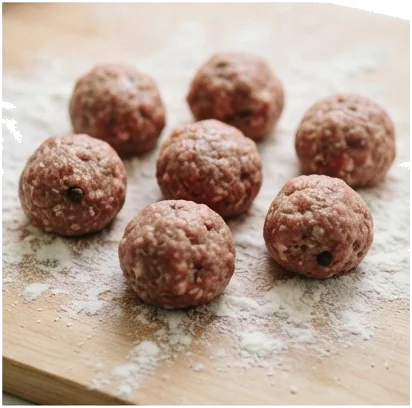
To the bowl with the hydrated panade, add the cooled cooked onions, 1 pound of ground beef, 1 pound of ground pork, 1½ teaspoons of kosher salt, ½ teaspoon of ground allspice, ¼ teaspoon of freshly grated nutmeg, and ¼ teaspoon of ground white pepper.
Using clean, cool hands or a sturdy fork, blend the mixture together until just evenly combined. Work quickly and delicately; over-working the ground meat warms the fat and develops excessive myosin protein networks, transforming delicate meatballs into dense, rubbery spheres. To ensure the seasoning is spot-on, pinch off a marble-sized piece, sear it briefly in a small pan, taste it, and adjust the salt or allspice if needed.
Portion the mixture into petite 1-inch rounds using a small 1-tablespoon cookie scoop. Roll the portions gently between cold, lightly dampened palms to form smooth, seamless balls. Arrange the rolled meatballs in a single layer on a parchment-lined baking sheet. Place the sheet in the refrigerator to chill for 15–20 minutes (or up to overnight). This step solidifies the pork fat and butter, preventing the meatballs from flattening, tearing, or losing their spherical shape the moment they hit the hot skillet.
Browning in Butter: The Searing Technique
Set a large, heavy skillet—preferably cast iron or heavy-bottomed stainless steel—over medium heat. Melt 2 to 3 tablespoons of pure unsalted butter. Once the butter foams and the bubbling subsides, add the chilled meatballs in batches, leaving ample space between each piece. Crowding the skillet lowers the pan temperature, causing the meat to steam in its own moisture rather than develop a crisp crust.
Allow the meatballs to sear undisturbed for the first 2 minutes. Do not force them; wait until they naturally release from the skillet floor with a golden-brown crust, then gently roll them using a wooden spoon or tongs to brown all sides evenly. They need not cook entirely through at this juncture (they will finish gently in the sauce). Total browning takes roughly 6 to 8 minutes per batch. Transfer the seared meatballs to a warm holding plate, taking care to preserve every drop of butter, rendered fat, and caramelized meat fond in the skillet.
How to Make Authentic Swedish Cream Sauce (Gräddsås)
True Swedish cream sauce is never stark white; it is a luscious, pale-tan velvet gravy colored naturally by the caramelized fond left behind in the skillet and deepened by a traditional splash of soy sauce.
- Roux Foundation: Ensure you have approximately 3 to 4 tablespoons of rendered butter and pan drippings remaining in the skillet. If the pan is dry, melt another tablespoon of butter. Sprinkle 3 tablespoons of all-purpose flour evenly across the hot fat. Whisk vigorously over medium-low heat for 1 to 2 minutes until the roux smells nutty, turns golden blond, and bubbles gently, eliminating the raw taste of flour starch.
- Deglazing: Slowly pour in 2 cups of rich beef stock in a thin, steady stream while whisking continuously. Use a flat wooden spatula or stiff whisk to firmly scrape up all the browned, savory fond stuck to the bottom of the pan, emulsifying those concentrated juices into the expanding liquid.
- Enriching: Whisk in ¾ cup of heavy cream and 1 to 2 teaspoons of soy sauce (or Worcestershire sauce). Bring the sauce to a gentle simmer over medium heat. Let it bubble gently for 3 to 5 minutes, whisking frequently, until it reduces slightly and coats the back of a spoon with a glossy, pourable sheen. Season with freshly ground white pepper and a pinch of salt to taste.
- Finishing: Gently lower the browned meatballs back into the bubbling sauce along with any accumulated meat juices from the plate. Reduce the heat to low, cover partially, and simmer gently for 5 to 8 minutes until the meatballs are cooked through and register an internal temperature of 160°F (72°C) on an instant-read thermometer. Cook's secret: Stir 1 tablespoon of lingonberry jam directly into the gravy right before serving to impart a subtle, sweet-tart fruit note favored in country kitchens across Småland.
Traditional Swedish Accompaniments: What to Serve with Köttbullar
In Sweden, a meatball dinner is defined by its classical trio of plate companions. Omitting any of these disrupts the balance of rich fat, smooth starch, and bright acid:
| Side Dish | Swedish Name | Culinary Role & Preparation |
|---|---|---|
| Mashed Potatoes | Potatismos | Silky, buttery mashed potatoes riced smooth and whipped with warm milk, generous butter, white pepper, and a grating of nutmeg. |
| Pickled Cucumbers | Pressgurka | Thinly mandoline-sliced cucumbers salted and pressed under a weight to drain, then steeped in a quick brine of spirit vinegar, sugar, water, and chopped fresh dill to cut the heavy cream. |
| Stirred Lingonberries | Rårörda lingon | Fresh or frozen tart Scandinavian lingonberries stirred raw with granulated sugar until dissolved into a bright, tart relish (jarred lingonberry jam is the standard pantry alternative). |
For more informal weekday suppers, Swedes also enjoy köttbullar alongside simple butter-tossed boiled new potatoes showered in dill, buttered egg noodles, or steamed tender green garden peas.
Make-Ahead, Freezing, and Reheating Instructions
Köttbullar are built for prep-ahead cooking and scale up effortlessly for gatherings:
- Freezing Raw Meatballs: Shape the meatballs, place them side-by-side on a parchment-lined baking sheet, and freeze until rock solid (about 2 hours). Transfer the frozen spheres to an airtight freezer bag. They keep beautifully for 3 to 4 months. Thaw overnight in the refrigerator before searing in butter as directed.
- Storing Cooked Meatballs & Gravy: Allow leftover meatballs and cream sauce to cool to room temperature. Store together in an airtight glass container in the refrigerator for 3 to 5 days. The meatballs will absorb moisture and flavor from the gravy as they rest.
- Freezing Cooked Meatballs: Cooked meatballs bathed in gräddsås can be frozen for 1 to 3 months. Because heavy cream sauces can separate slightly upon freezing, thaw overnight in the refrigerator and reheat gently in a covered skillet over medium-low heat. Whisk in a splash of fresh beef broth or a splash of heavy cream to smoothly re-emulsify the roux.
Frequently Asked Questions
Can I bake Swedish meatballs in the oven instead of frying them in butter?
Yes. If cooking for a large crowd, line a baking sheet with parchment paper and bake the meatballs at 400°F (200°C) for 15 to 18 minutes until browned. However, frying in butter on the stovetop remains the authentic gold standard: it yields the signature crispy exterior and creates the vital pan fond needed to build an authentic gräddsås from scratch.
Why are my Swedish meatballs tough or dry?
Tough meatballs are typically caused by three common mistakes: over-mixing the raw meat (which develops tough protein bonds), omitting the cream-soaked panade, or using ultra-lean ground beef without pork. The panade retains moisture, and the pork fat ensures a succulent, velvety texture.
What is an acceptable substitute if I cannot find lingonberry jam?
If wild Scandinavian lingonberries or imported jams are unavailable, the best substitutes are low-sugar whole cranberry sauce, red currant jelly, or tart black currant jam. Each provides the essential sweet-tart fruit acidity needed to cut through the rich meat and cream sauce.
How do you pronounce köttbullar correctly?
In the Swedish language, the letter "k" softens before the front vowel "ö" into a sound similar to an English "sh" or soft "ch." Phonetically, köttbullar is pronounced roughly as "shött-bool-lahr".
Leave a Comment