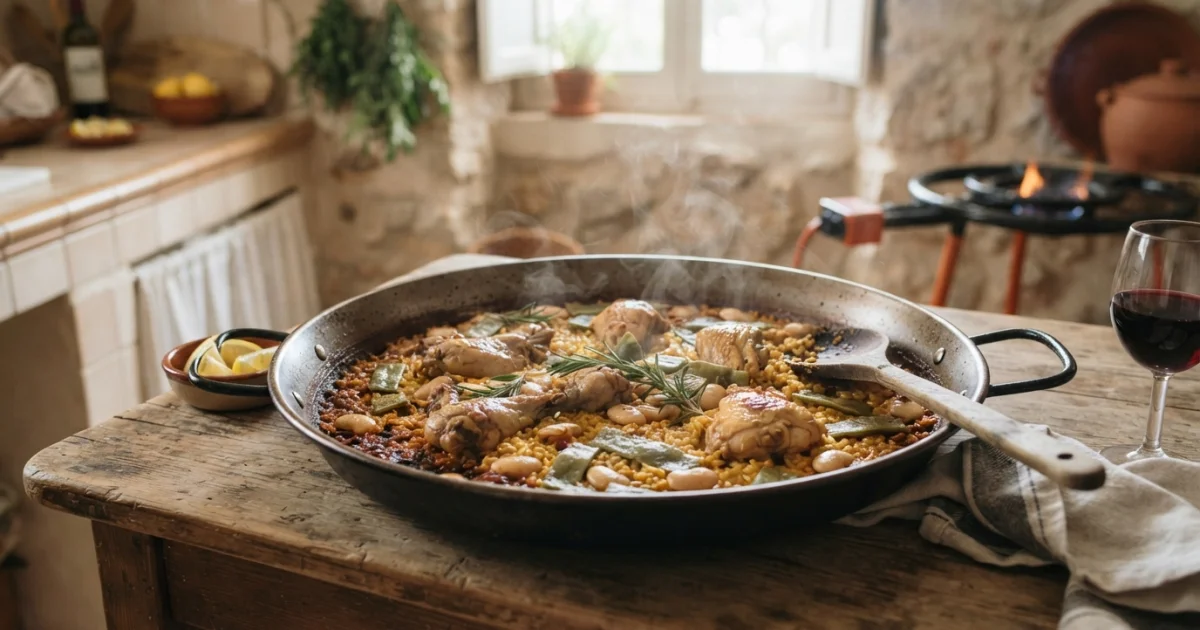
Few dishes in European gastronomy have suffered as thorough an identity crisis at the hands of international tourism as paella. Across seaside boardwalks and resort bistros, the word has become shorthand for an overloaded yellow skillet piled high with mussels, king prawns, rings of rubbery calamari, and disks of greasy chorizo. To a Valencian, this gaudy cafeteria platter is not paella at all; it is simply arroz con cosas—"rice with things." In its native territory, the broad agricultural plain surrounding the Mediterranean city of Valencia, paella is neither a marine feast nor a catch-all stir-fry. It is a strictly codified, land-based masterclass in agricultural resourcefulness, built on chicken, rabbit, ancient bean cultivars, rosemary, and precisely managed grain starch, all brought to life over open flame in a shallow iron pan.
The Agrarian Origins and Cultural Canon of Valencia
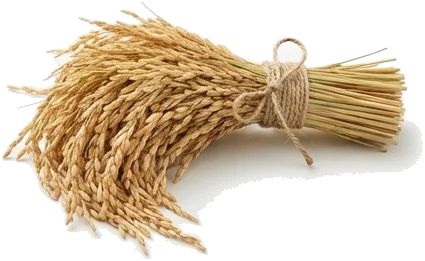
The true birthplace of paella lies just south of Valencia in the freshwater marshes of the Albufera, an expansive lagoon ringed by rice paddies that date back to the Moorish agricultural expansion of the eighth century. By the eighteenth and nineteenth centuries, farm laborers, canal diggers, and seasonal reapers working these damp fields required a sustaining midday meal cooked on-site using whatever was at hand. They carried polished steel pans into the groves, built shallow fires using dry orange-wood prunings, and simmered short-grain rice with the wildlife and produce of the countryside: native water voles, wild rabbit, farmyard chicken, snails gathered from fennel stalks, and flat pole beans plucked straight from the vine.
The wood smoke from the orange groves was not merely romantic scenery; it was a seasoning agent. The broad, low flames of citrus wood provided the wide heat perimeter necessary to simmer a shallow, wide pan without creating dead zones. As this humble field lunch migrated into domestic weekend culture, the recipe crystallized into an untouchable regional canon. Valencians guard this canon with an intensity that outsiders frequently mistake for arrogance, but it is an instinct rooted in preservation. When modern chefs introduce chorizo, frozen peas, or yellow onions, they do not merely tweak a flavor profile—they dismantle the structural chemistry of the dish. Chorizo introduces heavy paprika cure and pork grease that mask the delicate floral notes of saffron and rosemary; peas burst with an incongruous sugary sweetness; and onions leak excess water into the pan, guaranteeing that the rice grains steam into a mushy sludge rather than drying into firm, individual grains.
The 10 Canon Ingredients of Paella Valenciana
While coastal towns along the Valencian Community celebrate exceptional seafood preparations—such as Arroz a Banda or Paella de Marisco, which are venerable traditions in their own right—the certified culinary standard for Paella Valenciana allows no creative liberties. The official designation, codified by regional culinary bodies and celebrated across the huerta (Valencia's irrigated farmland), relies exclusively on ten foundational elements:
- Short-grain rice (Arroz Bomba or Calasparra): 400g / 2 cups, selected for starch stability and massive liquid absorption.
- Chicken: Roughly 500g / 1.1 lbs, bone-in, chopped into small, rustic chunks that brown rapidly and release gelatin.
- Rabbit: Roughly 400g / 0.9 lbs, bone-in and chopped into pieces matching the chicken. In domestic kitchens where rabbit is unavailable, home cooks rely on an equal weight of bone-in chicken thighs.
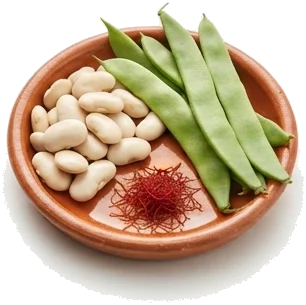
- Ferraura (Bajoqueta): 200g / 7 oz of wide, flat Romano-style green beans, sweet and structural.
- Garrofó: 100g / 3.5 oz of large, creamy, flat white lima or butter beans, native to Valencia and prized for their velvety, melting texture.
- Grated tomato pulp: 150g / 2 medium ripe tomatoes, halved and grated down to the skin to provide natural acidity and pectin without waterlogged pulp.
- Extra-virgin olive oil: 80ml / ⅓ cup, acting as the primary cooking medium and the structural base for the socarrat crust.
- Sweet Spanish paprika (Pimentón dulce): 1 level tablespoon of unsmoked, sun-dried paprika to build earthy warmth and color.
- Saffron threads: 1 generous pinch (roughly 25–30 threads), gently toasted and infused directly into the simmering broth for perfume and amber color.
- Water or light chicken stock: 1.2L / 5 cups, augmented with a single 3-inch sprig of fresh wild rosemary added during the final simmer, along with fine sea salt.
Rice Chemistry and Pan Physics: Why Dimensions Dictate Texture
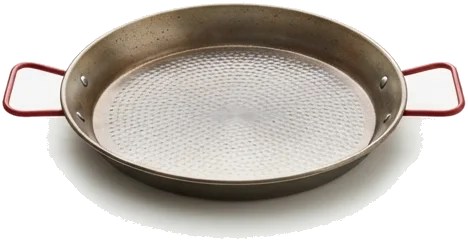
Paella is fundamentally an exercise in surface area thermodynamics. The vessel itself—historically called a paella, derived from the Latin patella for a flat pan—is wide, shallow, and crafted from thin polished carbon steel. Its flared, shallow sides are engineered to maximize rapid, uniform moisture evaporation. This geometry stands in stark opposition to a Dutch oven or a deep stockpot, which traps rising steam, recirculates condensation, and forces grains to cook in a vapor bath. In paella, steam must escape immediately into the open room, leaving the concentrated fats, dissolved gelatins, and infused aromatics behind in the pan bed.
This evaporative design demands a strict threshold known among Valencian cooks as the "one finger deep" rule: the bed of dry rice, once scattered across the hot pan, must never exceed roughly 1.5 to 2.5 cm (0.5 to 1 inch), or the thickness of a single finger. When the rice layer exceeds this boundary, the weight of the upper grains creates an insulated steam trap over the lower grains. The bottom turns into soggy purée while the top remains chalky and undercooked.
Equally critical is the chemistry of the rice cultivar. Long-grain rices like Basmati or Jasmine are structurally useless here; their high proportion of amylose and delicate grain walls cannot withstand the rigorous, direct heat, nor do they pull adequate broth into their cores. Conversely, standard Italian risotto grains like Carnaroli and Arborio are bred to shed their outer amylopectin starches under mechanical agitation, forming a rich, velvety suspension. Authentic paella demands the exact opposite outcome: dry, discrete, plump grains that remain entirely separate (arroz suelto). Cultivars such as Bomba and Calasparra absorb 2.5 to 3 times their dry volume in liquid without fracturing or turning gummy. They act as microscopic flavor sponges, trapping the chicken fond, tomato acids, and saffron oils within their internal protein structures while retaining an al dente central core.
Step-by-Step Method: Building Depth from Sofrito to Simmer
Executing an authentic paella requires discipline, steady pacing, and an attentive eye for visual and acoustic cues. Every layer of flavor is built directly upon the carbon steel base, step by deliberate step.
- The Hard Sear: Set your wide carbon-steel pan over medium-high heat. Pour the 80ml / ⅓ cup of extra-virgin olive oil directly into the center, scatter a generous pinch of coarse salt around the dry perimeter to prevent splattering, and add the cut chicken and rabbit pieces. Brown the meat aggressively for 10 to 12 minutes. You are not merely cooking the meat; you are looking for deep, mahogany caramelization. The natural proteins and sugars must latch onto the steel bottom to establish a rich fond. Once deeply browned, push the meat pieces to the outer rim of the pan where the heat is lowest.
- Sweating the Legumes: Drop the trimmed flat green beans and garrofó beans into the pool of hot oil in the center of the pan. Sauté them for 4 to 5 minutes until the green beans blister slightly and soften at the edges. Push the beans toward the outer perimeter alongside the browned meat.
- The Sofrito: Pour the grated tomato pulp into the vacant center of the pan. Cook it down over medium heat, scraping the bottom with a flat wooden spatula to lift the browned meat fond into the evaporating tomato liquid. Cook until the tomato loses its watery sheen, darkens to a deep brick red, and transforms into a thick, glistening paste where the oil begins to separate out cleanly.
- The Paprika Flash: Pull the pan slightly off the direct flame or reduce the heat to low. Scatter the tablespoon of sweet pimentón directly over the bubbling tomato paste. Stir continuously for no more than 20 to 30 seconds. Sweet paprika has a high natural sugar content; if left on intense, unchecked heat without liquid, it scorches almost instantly, coating the entire dish in an acrid, lingering bitterness that cannot be salvaged.
- The Extraction Simmer: Immediately pour in the 1.2L / 5 cups of water or warm stock, washing the pimentón and tomato fond into the liquid. Bring the contents to a rolling, vigorous boil across the entire surface of the pan. Crumble the toasted saffron threads into the bubbling broth and submerge the sprig of fresh rosemary. Allow this rich broth to simmer hard for 12 to 15 minutes. This stage creates the caldo, extracting collagen from the bone-in meats and infusing the fat with saffron, woodsy rosemary, and bean starches.
- The Salt Calibration: Discard the rosemary sprig after 10 minutes so its pine-like oils do not overwhelm the pan. Taste the simmering liquid directly with a spoon. It must taste noticeably saltier than a finished soup or broth. The Bomba grains will absorb an astonishing volume of moisture, diluting the perceived sodium level significantly as they expand. If the broth tastes merely pleasant now, the final rice will emerge flat and insipid.
The Cardinal Rule: Why You Must Never Stir the Rice
Once the broth is boiling evenly, scatter the 400g / 2 cups of Bomba rice across the pan in a steady, even ribbon—traditionally poured in a diagonal cross (en cruz) across the center. Use a flat wooden spatula to quickly nudge the grains into an even layer, ensuring every grain is submerged below the liquid line and distributed symmetrically around the meat and vegetables. From this exact second onward, drop the spatula and step away from the pan.
Stirring rice in a paella is culinary ruin. When dry short-grain rice absorbs hot liquid, its delicate outer starch matrix swells and softens. Mechanically dragging a spoon or spatula through the pan scrapes this fragile exterior layer, abrading the grains and sloughing free amylopectin molecules into the remaining broth. Those freed starches emulsify with the cooking fat, turning the liquid into an opaque, creamy porridge—the very hallmark of risotto. Paella relies on thermal convection alone to circulate the seasoned liquid through the bed of rice. By leaving the pan undisturbed, each grain cooks independently, swelling into an isolated, plump cylinder that separates cleanly on the palate.
The Art and Science of Crisp Socarrat
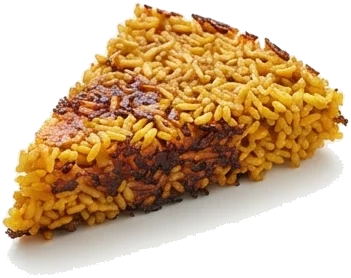
The defining triumph of authentic paella execution is the socarrat—the savory, golden-brown crust of toasted rice that adheres to the bottom of the pan. Named from the Catalan verb socarrar ("to scorch slightly"), this is not accidental char or careless burnt carbon. It is a precise confluence of the Maillard reaction and fat-frying caramelization. As the surface water evaporates completely, the residual olive oil and rendered chicken fat sink downward, settling into the microscopic valleys between the steel pan and the bottom layer of rice grains. The rice effectively ceases boiling and begins to shallow-fry in the concentrated aromatics.
Achieving pristine socarrat requires complete sensory engagement:
- The Acoustic Cue: As the last pools of broth boil off (typically around the 16-to-18-minute mark), the gentle bubbling sound subsides into a dry, irregular crackling, resembling miniature popcorn kernels popping softly against hot metal. This sound signals that water has surrendered to hot fat.
- The Olfactory Cue: The kitchen aroma shifts distinctly from steam, saffron, and boiled broth to a rich, toasty smell reminiscent of roasted hazelnuts, browned butter, and toasted corn. If you catch a sharp, acrid whiff of acrid smoke, you have crossed the threshold into scorched carbon; the window between caramelized majesty and ruined carbon is a mere 30 to 60 seconds.
- The Physical Probe: Slide the dull tip of a table knife or spoon gently through the top layer of rice until it meets the pan floor. It should meet a firm, slightly resistant, sandpaper-like crust rather than sliding smoothly across a wet or greasy metal surface.
To lock in the crust during the final minute of cooking, elevate the heat to medium-high for 60 to 90 seconds. Listen closely to the sharp crackle of the grains frying in the oil. If your heat source is narrow, gently pivot the pan so that every quadrant spends 20 seconds over the direct heat zone. Once the crust is set, kill the flame instantly.
Executing Paella on Residential Burners
Traditional paella thrives on open wood fires or multi-ring outdoor propane burners that match the immense circumference of the pan. Replicating this wide thermal footprint over a standard residential gas range or electric induction hob requires intentional spatial compromises:
- Pan Selection: Never attempt paella in non-stick cookware. PTFE coatings insulate against the high heat required for starch caramelization, and the smooth chemical coating prevents the grains from anchoring to form socarrat. Use a classic 34–36 cm (13–14 inch) polished carbon-steel paellera, which responds instantly to flame changes, or a wide, well-seasoned cast-iron skillet.
- The Rotational Method: On a standard central gas burner, heat concentrates heavily in the center. During the initial 10 minutes of boiling, deliberately rotate the pan 90 degrees every two minutes. This prevents the center from exhausting its liquid prematurely while the outer edges remain stagnant.
- The Two-Burner Bridge: If cooking for a larger party in a 40 cm (16 inch) pan, straddle the vessel across two adjacent stovetop burners set to medium heat, occasionally shifting the pan front-to-back to balance out the cool middle corridor.
- The Stovetop-to-Oven Hybrid: For domestic electric or induction stoves plagued by dead zones, use the oven method: brown the meats, cook the sofrito, add the broth, and scatter the rice on the stovetop. Boil hard for 5 minutes, then transfer the entire uncovered pan into an oven preheated to 220°C / 425°F for 10 to 12 minutes until all surface liquid is absorbed. Finally, return the pan to your hottest stovetop burner over high heat for 90 seconds, listening intently for the telltale socarrat crackle.
Authentic Proportions, Rest Period, and Dining Etiquette
Precision liquid ratios prevent the tragic extremes of parched, chalky grains or sodden mush. Bomba rice requires a steady 1:3 volume ratio under domestic stovetop evaporation rates, though broader pans over wide outdoor flames often require slightly more broth to account for aggressive moisture loss.
| Servings | Pan Diameter | Bomba Rice (Dry) | Liquid (Broth/Water) | Meat & Legumes |
|---|---|---|---|---|
| 4 diners | 34–36 cm / 13–14 in | 400g / 2 cups | 1.2L / 5 cups | 900g / 2 lbs meat; 300g / 10.5 oz beans |
| 6 diners | 40–42 cm / 15–16 in | 600g / 3 cups | 1.8L / 7.5 cups | 1.3kg / 2.9 lbs meat; 450g / 16 oz beans |
When the heat is killed, the dish is still incomplete. You must allow the paella to rest for 5 full minutes off the heat, draped loosely with a clean, dry kitchen towel or unprinted brown paper. This rest period accomplishes two critical structural tasks: it allows residual moisture within the grain cores to equalize, firming up the exterior starch, and it permits the socarrat to cool by a few degrees. As the metal pan contracts slightly, the caramelized crust releases its grip on the steel base, ensuring that crisp, intact sheets of toasty rice can be easily lifted with a spoon.
Traditional Valencian dining etiquette honors the agrarian roots of the meal. The paella pan is placed dead center on a trivet on an outdoor table, acting as the shared plate. Diners do not use forks or porcelain bowls; they use rounded wooden spoons, which will not scratch the seasoned metal or impart an off-flavor. Each guest is designated a triangular wedge of the pan directly in front of them, working inward from the rim toward the center. Reaching into your neighbor’s sector is bad form, but sharing the scraped remnants of the crispy socarrat at the very bottom of the pan remains the ultimate communal ritual of the Valencian table.
Frequently Asked Questions
What is socarrat and why is it so prized?
Socarrat is the deeply caramelized, crunchy layer of rice that forms across the bottom of the pan during the final minutes of cooking. It occurs when all water has fully evaporated, allowing the remaining rice grains to gently fry in the rendered olive oil and animal fats against the hot metal. Prized for its complex nutty aroma and contrasting texture, it is universally recognized as the hallmark of a masterfully executed paella.
Can I use Arborio or Jasmine rice if I cannot find Bomba?
Neither is an acceptable direct substitute for authentic paella. Arborio sheds an abundance of surface amylopectin starch as it cooks, which transforms the broth into a creamy, risotto-like porridge rather than keeping the grains dry and separate. Jasmine and other long-grain rices possess delicate cellular walls that split under extended simmering, and they absorb far less flavorful broth into their cores. If Bomba or Calasparra are unavailable, look for intermediate round-grain varieties such as Senia, Bahia, or a standard medium-grain Japanese sushi rice as an emergency alternative.
Why is chorizo controversial in authentic Spanish paella?
Chorizo is strictly rejected by Valencian cooks because its aggressive seasoning profile—dominated by heavily smoked pimentón, garlic, and fatty pork drippings—completely overwhelms the delicate interplay of saffron, tender rabbit, rosemary, and sweet beans. While commercial pubs abroad often toss chorizo into rice dishes, doing so erases the distinct herbal and agricultural character that defines Valencia's regional legacy.
How do I cook paella if my stovetop burner is smaller than my pan?
If your residential burner cannot cover the full base of your paella pan, employ the rotational method: gently rotate the pan 90 degrees every two minutes throughout the active simmer to prevent a scorched center and undercooked perimeter. Alternatively, bridge the pan across two adjacent burners on medium-low heat, or bring the paella to an initial boil on the stove for five minutes before transferring it into a 220°C / 425°F oven to complete the rice hydration, finishing with 90 seconds on high stovetop heat to set the socarrat.
Leave a Comment