
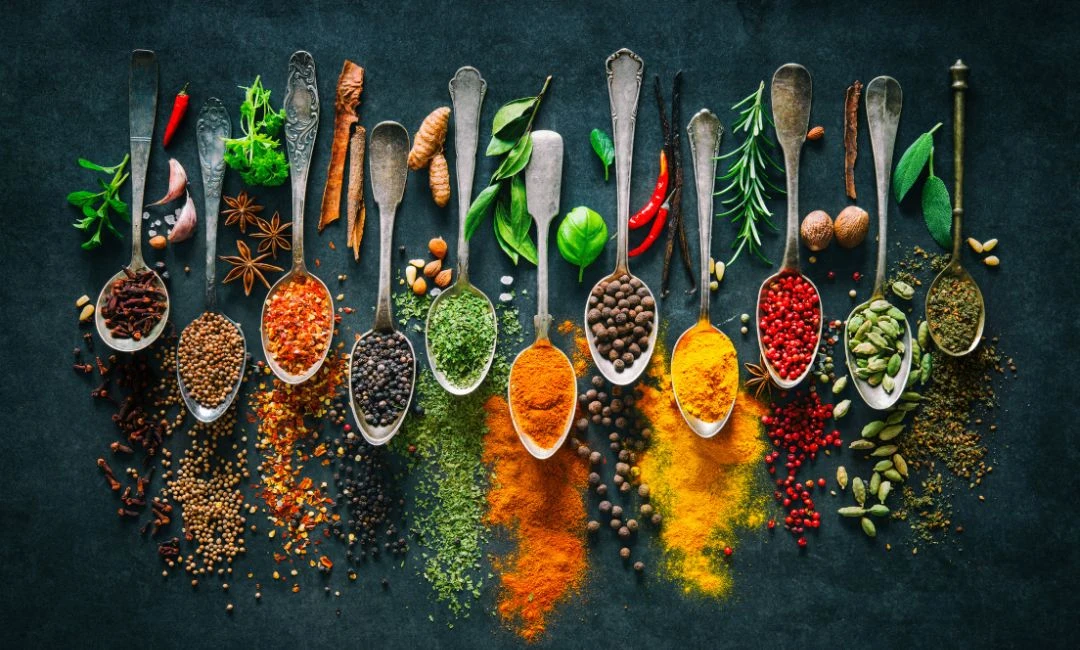
I'm Thomas Redford from The Cloche Hat. European cuisine thrills me. Herbs and spices define its soul. They turn simple dishes into masterpieces. Let's explore top ones by country. I'll share uses, storage hacks, and substitutions. Plus, a basic spice blend recipe. Discover flavors that elevate your cooking.
France: Thyme, Bay Leaf, and Parsley
France rules herb game. Thyme is king. I use it in stews and roasts. It adds earthy warmth. Fresh thyme shines in bouquets garnis.
Bay Leaf
Bay leaves simmer in soups. They bring subtle depth. Remove before serving. Dried works best here.
Parsley
Parsley finishes dishes. Chop it fresh for salads. It cuts richness in sauces.
Storage hack: Wrap fresh herbs in damp paper towels. Keep in fridge up to a week. Freeze extras in ice cube trays with oil. My go-to for winter cooking.
Italy: Basil, Oregano, and Rosemary
Italy bursts with bold tastes. Basil screams pesto. Pair it with tomatoes and mozzarella. Fresh only—no substitutes.
Oregano
Oregano powers pizza and pasta. Dried intensifies flavor. Sprinkle on meats before grilling.
Rosemary
Rosemary roasts lamb perfectly. Its piney punch needs restraint. Use woody stems for stocks.
LifHack: Grind rosemary with salt. Store in shakers. Lasts months. I do this for Italian nights at home.
Spain: Paprika and Saffron
Spain smokes up spices. Paprika colors paella red. Smoked version mimics fire-roasted peppers. These distinct flavor profiles are also fundamental to the evolution of spanish tapas traditions and shared plates.
Saffron
Saffron threads perfume rice. Steep in warm water first. Luxurious but pricey. A pinch transforms risotto. This exquisite spice is essential for crafting a traditional northern Italian risotto at home.
Storage tip: Keep paprika airtight, away from light. Saffron in freezer tin. Stays potent years. I've saved fortunes this way.
Germany and UK: Caraway, Mint, and Sage
Germany loves caraway seeds. They star in sauerkraut and rye bread. Toast for nutty pop. This classic ingredient is also a staple filling in classic Polish pierogi recipes across Eastern Europe.
UK favors mint in lamb gravy. Sage crisps with pork. Both fresh or fried.
Pro tip: Store seeds in cool pantry. Shake jars weekly to prevent clumping. Fresh mint? Root in water like flowers. Grows endlessly on my windowsill.
Smart Storage Hacks for Longevity
Heat kills spices. Light fades them. My rules: Dark glass jars. Cool, dry spots. Buy whole spices. Grind as needed. Label with dates. Refresh every six months by smelling—weak aroma means toss.
For herbs: Dry bundles upside down. Crumble into jars. Vacuum seal for travel. These keep my kitchen stocked like a pro chef's.
Quick Substitutions Guide
- Thyme: Marjoram or oregano (use half amount).
- Basil: Fresh oregano or mint in pinches.
- Bay leaf: Juniper berries for gamey notes.
- Oregano: Thyme plus pinch fennel.
- Paprika: Chili powder with smoked salt.
- Saffron: Turmeric for color, annatto for depth.
- Rosemary: Thyme with lemon zest.
- Caraway: Fennel seeds.
- Mint: Basil in desserts.
- Sage: Poultry seasoning blend.
These swaps save meals. Test small first. Flavor builds confidence.
Basic European Spice Blend Recipe
Make this Herbes de Provence-inspired mix. Versatile for roasts, soups, veggies. Yields 1/2 cup. Keeps 6 months.
Ingredients
- 2 tbsp dried thyme
- 2 tbsp dried rosemary
- 1 tbsp dried oregano
- 1 tbsp dried marjoram
- 2 tsp dried lavender (optional, French touch)
- 1 tsp fennel seeds
- 1 tsp sea salt
Instructions
- Toast fennel seeds in dry pan, 1 minute.
- Cool, then grind coarsely.
- Mix all in bowl.
- Store airtight.
- Use 1 tsp per pound of meat or veggies.
Rub on chicken. Roast at 400°F. Divine. At The Cloche Hat, this blend stars in our virtual feasts. Try it—your kitchen becomes Europe.
Word count: 652. Dive deeper into European gastronomy with us at theclochehat.com. For a sweeter culinary journey, explore our feature on the famous Lisbon custard tart and its rich history.
Leave a Comment